
Doxycycline for Malaria Prevention: Dosage, Side Effects, and How to Take It
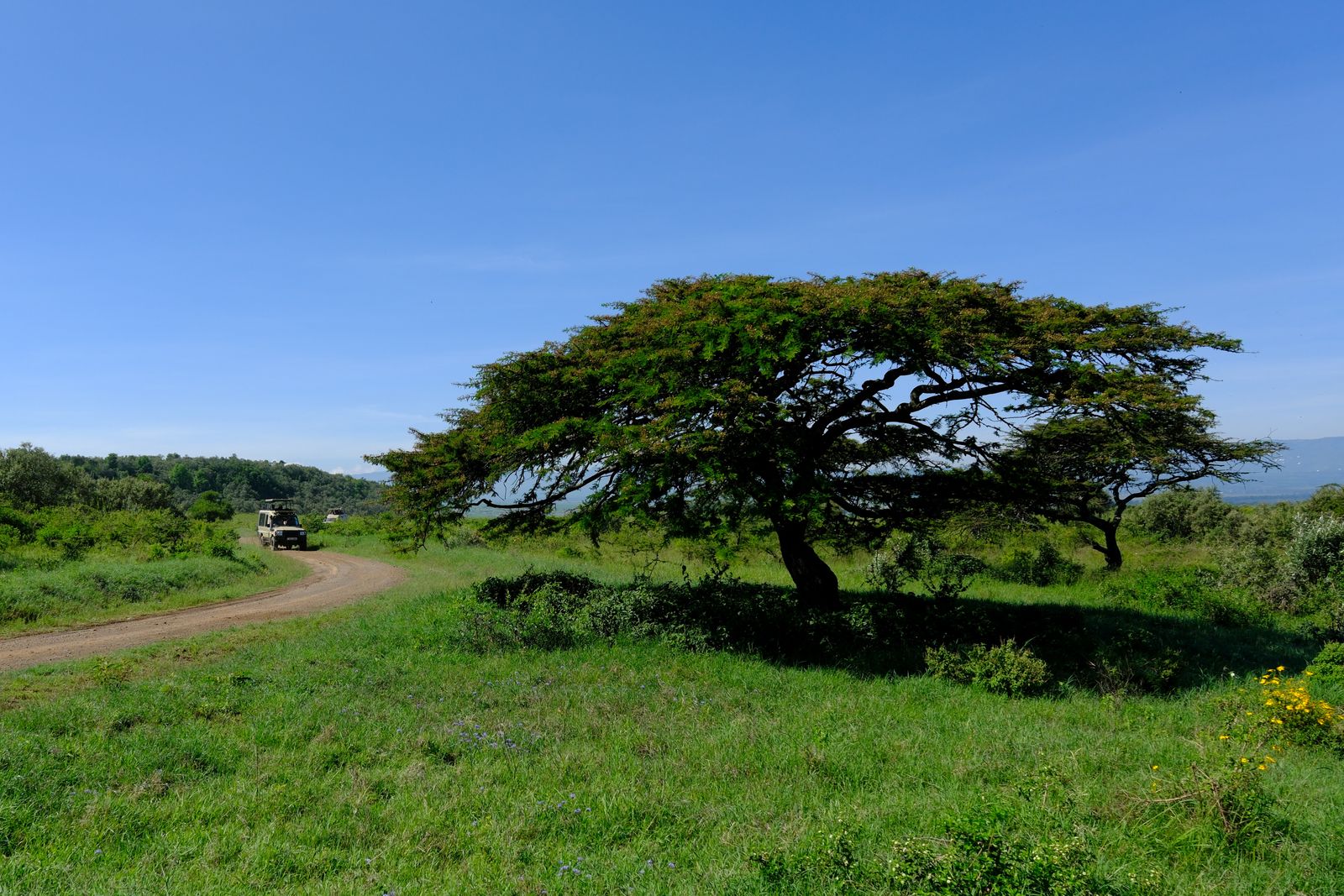
An ER physician's guide to doxycycline for malaria prevention: CDC dosing, timing, side effects, and how to get it before your trip.
Doxycycline for Malaria Prevention: Dosage, Side Effects, and How to Take It
Doxycycline is one of the three antimalarial drugs the CDC recommends for travelers to malaria-endemic regions, and in my ER experience it is the one patients ask the most follow-up questions about. The standard adult dose is 100 mg once a day, started 1 to 2 days before you enter a malaria-endemic area, continued daily throughout the trip, and kept up for a full 4 weeks after you leave, according to the CDC Yellow Book. It is the least expensive of the three first-line options and it also protects against several bacterial travelers' diarrhea pathogens as a side benefit, but it comes with two well-documented tradeoffs: a real risk of sun-related skin reactions and a stricter set of rules about how you take it. Here is what the dosing actually looks like, which side effects are common versus rare, who should not take it, and how to get it called in before you go.
Quick Facts: Doxycycline for Malaria Prevention
- Adult dose: 100 mg by mouth once daily, per the CDC Yellow Book, 2026 edition.
- Pediatric dose: 2.2 mg/kg once daily for children 8 years and older, not to exceed the 100 mg adult dose. Not used in children under 8.
- When to start: 1 to 2 days before arrival in a malaria-endemic area.
- When to stop: Continue daily for 4 weeks after leaving the area, the longest post-trip course of the three first-line antimalarials.
- Most common side effects: Photosensitivity (sun-related skin reactions), nausea, upset stomach, and vaginal yeast infections.
- Who should not take it: Pregnant travelers, children under 8, and anyone with a tetracycline allergy.
- How Wandr fits in: A clinician reviews your itinerary and health history and, when appropriate, calls doxycycline in to your local pharmacy for pickup before you fly.
How Doxycycline Prevents Malaria
Doxycycline is a tetracycline-class antibiotic, and its antimalarial effect comes from the same basic mechanism that makes it useful against bacteria: it blocks protein synthesis inside the malaria parasite while it is living in your red blood cells, which stops the parasite from developing and multiplying. It works against all four species of Plasmodium that cause human malaria, including Plasmodium falciparum, the species responsible for the most severe disease. Because doxycycline acts on the parasite at this blood stage rather than earlier in the liver, it needs to be in your system before the parasite reaches that stage, which is the reason for starting it 1 to 2 days before exposure and continuing it for 4 weeks after you leave, long enough to cover parasites that emerge from the liver later.
An added benefit that comes up often when I am counseling travelers headed to a region with both malaria and a high burden of travelers' diarrhea: doxycycline also has activity against several bacterial diarrhea pathogens. A CDC-affiliated study found that travelers taking doxycycline for malaria prophylaxis had a measurably lower rate of travelers' diarrhea than those on other antimalarials, an incidental benefit worth knowing about even though it is not the reason your clinician prescribes it.
Doxycycline Dosage and Timing
The regimen is straightforward but the timing matters more than with some other antimalarials.
Adults: 100 mg once daily, starting 1 to 2 days before you arrive in a malaria-endemic area. Take it at the same time every day, continue it every day you are in the area, and keep taking it daily for 4 full weeks after you leave, even though you will feel done with your trip long before the medication course is done.
Children 8 years and older: 2.2 mg/kg once daily, capped at the 100 mg adult dose, following the same before-during-after schedule. Doxycycline is not used in children under 8 because of the risk of permanent tooth discoloration and enamel effects in developing teeth.
How to take each dose: Take doxycycline with a full glass of water and with food to reduce stomach upset, and stay upright, sitting or standing, for at least 30 minutes after swallowing it. That last instruction is not optional advice, it is the single most effective way to prevent the most serious GI side effect of this drug, which I will cover next.
Side Effects: What's Common and What's Rare
Photosensitivity (common). This is the side effect I counsel travelers on most, because it is the one most likely to actually change your trip. Doxycycline makes skin more sensitive to UV light, and studies of travelers on doxycycline prophylaxis have found an exaggerated sunburn-type reaction, typically on sun-exposed skin, in roughly 7 to 21 percent of users, according to CDC-reviewed data. This is a real number, not a rare footnote. The fix is straightforward: use a broad-spectrum sunscreen, reapply it, and cover up during peak sun hours, but if you are planning a beach- or safari-heavy itinerary in equatorial sun, this is worth discussing with your clinician before you commit to doxycycline over one of the alternatives.
GI upset and esophagitis (uncommon but avoidable). Nausea, vomiting, and abdominal discomfort are the most commonly reported adverse effects, and they are usually mild and manageable by taking the pill with food. The more serious version of this side effect is esophagitis or esophageal ulceration, caused when the capsule sits against the esophageal lining too long, most often because someone took it without enough water or lay down soon afterward. This is why the water-and-stay-upright instruction above matters. It is a well-described and largely preventable complication, not a reason to avoid the drug, but it is a reason to actually follow the instructions on the label.
Vaginal yeast infections. Doxycycline can disrupt normal bacterial flora the same way other antibiotics do, which sometimes leads to a yeast infection during the course. This is a known, manageable side effect worth mentioning to your clinician if it happens rather than something you need to tolerate silently.
Rare but serious. Severe adverse reactions, including significant esophageal ulceration, are uncommon when the medication is taken correctly. As with any prescription medication, tell your clinician about your full health history and any new or severe symptoms while you are taking it.
Who Should Not Take Doxycycline for Malaria Prevention
Pregnant travelers. Doxycycline is contraindicated during pregnancy because of the risk of adverse effects on fetal bone growth and tooth development, the same class effect seen with other tetracyclines. If you are pregnant or might become pregnant during your trip, your clinician will recommend a different antimalarial.
Children under 8. As above, doxycycline is not used in this age group because of the risk of permanent tooth discoloration in developing teeth.
Anyone with a tetracycline allergy. A known allergy to doxycycline or other tetracycline-class antibiotics rules this option out.
Anyone who won't reliably take a daily pill. Doxycycline requires the most consistent daily dosing of the three first-line antimalarials, both during your trip and for 4 weeks afterward. If you know you will not keep up a daily medication routine for a month after you get home, a weekly option may be a better fit, which is exactly the kind of thing worth raising during your clinician review.
Doxycycline vs Malarone: The Short Version
Doxycycline and atovaquone-proguanil (Malarone) are the two most commonly prescribed antimalarials for US travelers, and the tradeoffs are consistent enough that they come up in nearly every consultation. Doxycycline is less expensive and also covers some travelers' diarrhea bacteria, but it requires the longest post-trip course (4 weeks versus 7 days for Malarone) and carries the photosensitivity risk described above. Malarone costs more but has a simpler regimen: start 1 to 2 days before, take it daily during the trip, and stop just 7 days after leaving, with a side effect profile that leans more toward GI upset than sun sensitivity. Our full breakdown, Malarone vs Doxycycline, goes through cost, side effects, and which travelers tend to do better on each.
Drug Interactions to Know
Antacids and mineral supplements. Products containing calcium, magnesium, aluminum, or iron bind to doxycycline in your gut and block its absorption. Separate doxycycline from antacids or mineral supplements by at least 2 hours before or 4 to 6 hours after. If you need an acid-reducing medication during your trip, an H2 blocker like famotidine or a proton pump inhibitor is a safer pairing than a calcium- or magnesium-based antacid.
Dairy products. The same calcium-binding issue applies to milk and dairy in large quantities, though the effect is smaller than with concentrated antacid products. Taking your dose with a full meal that happens to include some dairy is not a major concern; washing it down with a large glass of milk on an empty stomach is worth avoiding.
Blood thinners. Doxycycline can potentiate the effect of oral anticoagulants like warfarin, so anyone on blood thinners should have this flagged and monitored by their prescriber.
Anti-seizure medications. Barbiturates, carbamazepine, and phenytoin can reduce doxycycline's effectiveness by shortening its half-life. Mention any seizure medications during your health review so your clinician can weigh whether a different antimalarial makes more sense.
How to Get Doxycycline Before Your Trip
Doxycycline is prescription-only in the United States. Through Wandr, a clinician reviews your itinerary, the malaria risk at your specific destination, and your health history, including pregnancy status, tetracycline allergies, and any interacting medications, then calls the prescription in to your local pharmacy for pickup if doxycycline is the right fit. If sun exposure, your other medications, or your ability to keep up a daily routine make doxycycline a poor match, that same review is where your clinician will point you toward Malarone or another option instead, so you are not stuck defaulting to whichever drug you searched for first.
Ready to find out which malaria medication fits your trip? Start your free pre-trip health check and a Wandr clinician will match your destination and health history to the right antimalarial, or browse the medication catalog to see what's available.
Frequently Asked Questions
What is the standard doxycycline dose for malaria prevention? 100 mg once daily for adults, started 1 to 2 days before entering a malaria-endemic area, continued daily throughout your trip, and kept up for 4 weeks after you leave, per the CDC Yellow Book.
How long before my trip should I start doxycycline? Start it 1 to 2 days before you arrive in the malaria-endemic area. This gives the medication time to reach an effective level before you are exposed.
How long do I need to keep taking it after I get home? 4 weeks after you leave the malaria-endemic area, the longest post-trip course of the three first-line antimalarials. Missing this window is one of the most common reasons prophylaxis fails.
What are the most common doxycycline side effects? Photosensitivity, an exaggerated sunburn-type reaction on sun-exposed skin, is the side effect travelers notice most, reported in roughly 7 to 21 percent of users. Nausea, GI upset, and vaginal yeast infections are also common but generally manageable.
Can doxycycline cause esophagus problems? Yes, if the capsule sits against the esophageal lining too long. Taking it with a full glass of water and staying upright for at least 30 minutes afterward largely prevents this.
Who should not take doxycycline for malaria prevention? Pregnant travelers, children under 8, and anyone with a tetracycline allergy should not take doxycycline. A clinician can recommend an alternative antimalarial for these situations.
Is doxycycline better than Malarone? Neither is universally "better." Doxycycline is less expensive and also helps prevent some travelers' diarrhea, but requires a 4-week post-trip course and carries a real photosensitivity risk. Malarone costs more but has a simpler 7-day post-trip course and a side effect profile that leans toward GI upset rather than sun sensitivity. See our full comparison for details.
Can I take doxycycline with antacids? Not at the same time. Calcium, magnesium, aluminum, and iron in antacids and mineral supplements bind to doxycycline and block absorption. Separate doses by at least 2 hours before or 4 to 6 hours after, and consider an H2 blocker or PPI instead if you need acid control during your trip.
Does doxycycline protect against all types of malaria? Yes, it is effective against all four Plasmodium species that infect humans, including Plasmodium falciparum, the species responsible for the most severe disease.
Sources
- CDC Yellow Book, 2026 edition, Malaria
- CDC, Choosing a Drug to Prevent Malaria
- CDC, Medicines for the Prevention of Malaria While Traveling: Doxycycline
- Tan KR, Arguin PM, et al., Doxycycline for Malaria Chemoprophylaxis and Treatment: Report from the CDC Expert Meeting on Malaria Chemoprophylaxis
- National Academies of Sciences, Engineering, and Medicine, Assessment of Long-Term Health Effects of Antimalarial Drugs When Used for Prophylaxis: Doxycycline
Medical disclaimer: This article is for general educational purposes and is not a substitute for individualized medical advice. Doxycycline has specific dosing, timing, and interaction considerations that depend on your destination, health history, and other medications. Consult a licensed clinician before starting any antimalarial, especially if you are pregnant, traveling with a child, or taking other prescription medications.
Alec Freling, MD is a board-certified emergency medicine physician and co-founder of Wandr Health with ER experience treating returning travelers.