
First-Time International Traveler? Your Complete Health Prep Guide
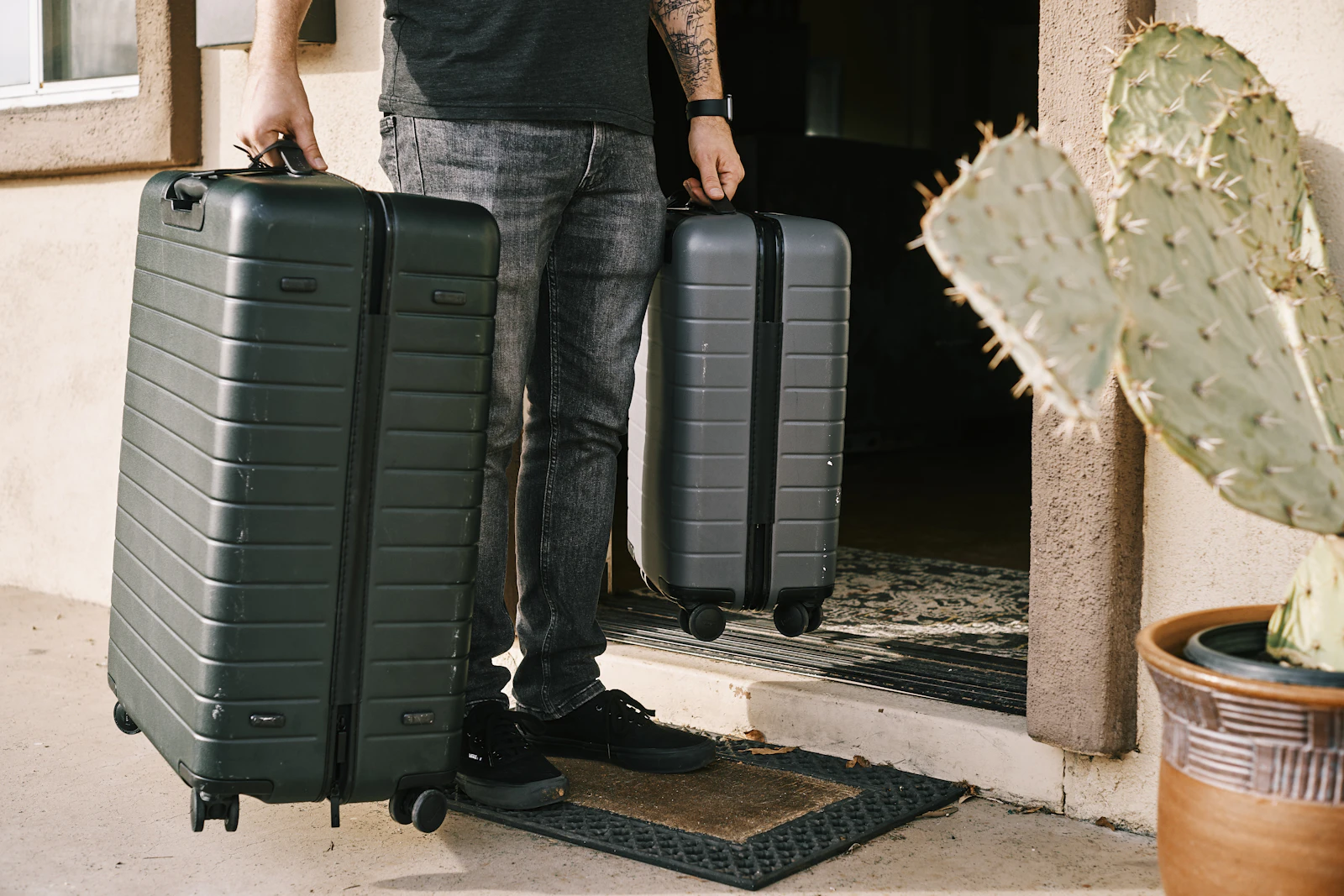
A physician-built health prep guide for first-time international travelers. Vaccines, prescriptions, insurance, and a week-by-week countdown checklist so nothing slips through the cracks.
First-Time International Traveler? Your Complete Health Prep Guide
The short answer: For your first international trip, start health prep 6 to 8 weeks before departure. Book a travel health visit (in person or online), get destination-specific vaccines and any needed prescriptions (malaria pills, traveler's diarrhea antibiotics, altitude meds), buy travel medical insurance, assemble a small health kit, and save your doctor's contact info plus the nearest US embassy on your phone. Most first-time travelers need two to four items: travel insurance, at least one vaccine, one prescription, and a basic kit.
Your first trip abroad is exciting. It is also the moment most travelers discover that their regular primary care doctor does not handle travel health, their US health insurance does not follow them overseas, and a pharmacy in a foreign country cannot fill a US prescription. None of that is a problem if you plan ahead. It is a very large problem if you do not.
This guide is written by the Wandr medical team, which includes board-certified emergency medicine physicians who regularly treat returning travelers. We built this as the checklist we wish every patient had before their first trip.
Why First-Time International Travelers Need a Different Playbook
If you have only traveled domestically, your health safety net has always followed you: your doctor, your pharmacy, your insurance, and familiar hospitals. Cross an ocean and all four disappear at once.
Four realities catch most first-timers off guard:
- Regular US health insurance usually does not cover care outside the US, and almost never covers emergency medical evacuation (which can exceed $100,000 out of pocket), according to the US Department of State.
- US prescriptions cannot be filled at foreign pharmacies. You must bring enough medication for the whole trip plus a buffer.
- Some vaccines, such as yellow fever and typhoid, are recommended or required for specific destinations. Yellow fever proof of vaccination is legally required for entry to certain countries.
- The most common travel illness, traveler's diarrhea, affects 30 to 70 percent of travelers to high-risk regions (CDC Yellow Book), and the best treatment is prescription-based and needs to be packed before you leave.
Plan for those four realities and you have handled 90 percent of what goes wrong on first trips.
The 8-Week Countdown: What to Do and When
8 Weeks Before: Book Your Travel Health Visit
This is the single most important step. A travel health consult is not the same as a routine physical. The clinician reviews your specific destination, itinerary, activities (hiking, safari, street food, altitude, rural stays), medical history, and vaccine record, then recommends what you actually need.
You have two options:
- In-person travel clinic. Pros: in-office vaccine administration. Cons: often 2 to 4 week wait, typically $150 to $300 for the consult alone, not always covered by insurance.
- Online travel health visit. Pros: same-day availability, prescriptions shipped to your door. Cons: vaccines still require a local pharmacy or clinic visit.
Either way, book early. Some vaccines require multiple doses spaced weeks apart (hepatitis B, rabies pre-exposure), and yellow fever must be administered at least 10 days before entering a yellow fever zone to provide full protection and valid documentation (WHO).
6 Weeks Before: Get Your Vaccines
Based on your travel health visit, the most commonly recommended vaccines for first-time international travelers include:
- Routine vaccines update: MMR, Tdap, flu, and COVID-19 boosters. Many adults are overdue on at least one.
- Hepatitis A: Recommended for most international travel outside Canada, Western Europe, Japan, Australia, and New Zealand (CDC).
- Typhoid: Recommended for South Asia, parts of Africa, and rural areas in Latin America.
- Yellow fever: Required for entry to parts of sub-Saharan Africa and South America.
- Hepatitis B, rabies, Japanese encephalitis: Situation dependent. Often recommended for longer trips, adventure travel, or rural stays.
Vaccines work by training your immune system in advance, which takes days to weeks. Getting them the week before your trip provides less protection than getting them 4 to 6 weeks out.
4 Weeks Before: Fill Your Prescriptions
Your travel clinician will likely recommend one or more of the following:
- Malaria prevention (atovaquone-proguanil/Malarone, doxycycline, or mefloquine) if your destination has malaria. Some start 1 to 2 days before arrival, others require 1 to 2 weeks of pre-exposure dosing.
- Traveler's diarrhea antibiotic (azithromycin most often, ciprofloxacin in some cases) packed as a "self-treatment" course to use only if you become ill.
- Altitude sickness medication (acetazolamide/Diamox) if you are going above roughly 8,000 feet (2,400 meters), such as Cusco, Quito, or Everest Base Camp.
- Motion sickness medication (scopolamine patch or meclizine) for cruises, long bus rides, or small-boat transfers.
Bring medications in their original labeled containers with a copy of the prescription. Some countries restrict specific drugs (even common ones like ADHD stimulants or certain painkillers), so check your destination's rules on the US Embassy website before packing.
3 Weeks Before: Buy Travel Medical Insurance
Regular US health insurance, including most employer plans and Medicare, does not provide meaningful coverage abroad. You need a dedicated travel medical plan that covers:
- Emergency medical treatment overseas
- Emergency medical evacuation (this is the expensive one, often $50,000 to $250,000 if you need it)
- Trip interruption due to illness
- Pre-existing condition coverage if you have a chronic condition (usually requires buying within 14 to 21 days of your initial trip deposit)
Plans typically cost $40 to $150 for a 1 to 2 week international trip for a healthy adult, which is trivial compared to a single overseas hospital bill.
2 Weeks Before: Build Your Travel Health Kit
A small kit prevents most minor issues from ruining a trip. The Wandr medical team recommends packing:
- Oral rehydration salts (3 to 4 packets)
- Loperamide (Imodium) for symptomatic diarrhea control
- Prescription antibiotic for traveler's diarrhea (separate from loperamide)
- Acetaminophen and ibuprofen
- An oral antihistamine (cetirizine or diphenhydramine)
- Bandages, gauze, antiseptic wipes, blister pads
- Insect repellent with 20 to 30 percent DEET or 20 percent picaridin
- Sunscreen (SPF 30+)
- Hand sanitizer (60 percent alcohol or higher)
- A printed list of your medications, allergies, blood type, and emergency contacts
- A copy of your vaccine record, including yellow fever if required
Keep prescription medications in your carry-on. Checked bags go missing.
1 Week Before: Finalize Logistics
- Save these to your phone: your travel insurance claim line, the nearest US embassy or consulate, your travel clinician's contact, and your destination's emergency number (it is not always 911).
- Enroll in the State Department's Smart Traveler Enrollment Program (STEP) for safety alerts.
- Confirm any entry requirements (yellow fever proof, visa medical questions).
- Refill any daily prescriptions you take at home, with extra for the trip.
Day of Departure
- Carry medications in labeled containers in your carry-on.
- Bring a printed copy of your travel insurance policy and an emergency contact card.
- Take your first malaria dose if your regimen requires it.
The 4 Biggest First-Timer Mistakes We See
After years of treating returning travelers in the ER, a short list of mistakes comes up again and again.
- Assuming US insurance covers them abroad. It almost never does for routine care, and it essentially never does for evacuation. A dedicated plan is not optional for international travel.
- Waiting until the week before to get vaccines. Most vaccines need 2 weeks to confer protection. Yellow fever needs 10 days for legal validity.
- Not packing prescription antibiotics for traveler's diarrhea. Loperamide alone is not adequate for moderate to severe cases. Trying to find antibiotics mid-trip, especially in rural areas, is difficult.
- Drinking tap water or ice in high-risk regions. Stick to sealed bottled water, hot coffee and tea, and avoid ice unless you know it was made with filtered or bottled water. This single habit prevents the majority of traveler's diarrhea.
What to Do If You Get Sick Abroad
Call your travel insurance assistance line first. They will direct you to a vetted local hospital or clinic and often coordinate payment directly, so you do not pay out of pocket and submit later. For less urgent issues, telehealth with your Wandr clinician is available from most countries.
For a true emergency (chest pain, signs of stroke, severe injury, high fever with confusion), go to the nearest hospital or call the local emergency number, then notify your insurer as soon as possible. For US citizens, the nearest US embassy or consulate can also help locate care and contact family.
Destination-Specific Notes for Popular First Trips
If you are planning your first trip to a common destination, a few quick notes:
- Western Europe, Japan, Australia, New Zealand: Usually no destination-specific vaccines or prescriptions needed beyond routine shots. Travel medical insurance still recommended.
- Mexico, Central America, Caribbean: Hepatitis A and traveler's diarrhea preparation.
- Thailand, Vietnam, Bali: Hepatitis A, typhoid, traveler's diarrhea, dengue awareness.
- India: Hepatitis A, typhoid, aggressive traveler's diarrhea prep, possible malaria coverage.
- Peru (Machu Picchu), Nepal (trekking), Ecuador (Quito): Altitude medication, traveler's diarrhea prep.
- Sub-Saharan Africa (Kenya, Tanzania, safari): Yellow fever, typhoid, malaria prevention, hepatitis A.
Every Wandr destination page provides the full region-specific checklist.
A Short Word From the Wandr Medical Team
Your first international trip is not the time to wing it, and it is also not a reason to be scared. The overwhelming majority of trips go perfectly when travelers handle four things: a travel health consult, any destination-specific vaccines, a small kit with two or three prescriptions, and real travel medical insurance. Do those four, and you can focus on the trip.
If you want a faster path, a Wandr clinician can walk you through your destination, send prescriptions to your door, and flag anything your primary care doctor might miss. That is why we built it.
Frequently Asked Questions
How far in advance should I start travel health prep for my first international trip? Six to eight weeks before departure is ideal. Some vaccines (yellow fever, hepatitis B, rabies) require advance dosing, and some prescriptions (certain malaria pills) need to start before arrival.
Do I need travel insurance if I only have a short trip? Yes. Most US health plans do not cover overseas care, and medical evacuation costs are not related to trip length. A 5-day plan and a 14-day plan are both inexpensive relative to a single hospital bill abroad.
Can my regular doctor handle travel health? Sometimes, but many primary care offices do not stock travel vaccines, do not prescribe malaria or altitude medications regularly, and are not current on destination-specific CDC guidance. A travel-trained clinician is safer for international prep.
Do I need vaccines for every international trip? No. Many destinations (most of Western Europe, Japan, Australia, New Zealand) require only routine vaccines. Destinations in much of Africa, South Asia, Southeast Asia, and parts of Latin America usually require at least one travel-specific vaccine.
What happens if I get sick on my trip? Call your travel insurance assistance line first. They can direct you to vetted care and often coordinate payment. For emergencies, go to the nearest hospital immediately. Telehealth with your travel clinician is also available from most countries.
Can I fill a US prescription in another country? Generally no. Bring enough medication for your full trip plus a few extra days, keep it in original labeled containers, and carry a copy of the prescription.
Is bottled water enough to prevent traveler's diarrhea? It is the biggest single step. Also avoid ice of unknown origin, raw produce you did not peel yourself, undercooked meat or seafood, and unpasteurized dairy. Hot coffee and tea and sealed carbonated drinks are generally safe.
Do I need to worry about altitude for Machu Picchu or Cusco? Yes. Cusco sits above 11,000 feet. Acetazolamide (Diamox) started 1 to 2 days before arrival, along with hydration and a slower ascent, significantly reduces altitude sickness risk.
Sources
- Centers for Disease Control and Prevention (CDC). CDC Yellow Book 2024: Health Information for International Travel. wwwnc.cdc.gov/travel/yellowbook
- World Health Organization (WHO). International Travel and Health. who.int/health-topics/travel-and-health
- US Department of State, Bureau of Consular Affairs. Your Health Abroad. travel.state.gov
- CDC. Travelers' Health: Food and Water Safety. wwwnc.cdc.gov/travel/page/food-water-safety
- CDC. Yellow Fever Vaccine Information. wwwnc.cdc.gov/travel/yellowbook/2024/preparing/yellow-fever-vaccine
- Smart Traveler Enrollment Program (STEP). step.state.gov
- Steffen, R. "Epidemiology of travellers' diarrhoea." Journal of Travel Medicine, 2017.
This article is written by the Wandr Health medical team and reviewed by a board-certified emergency medicine physician. It is general education, not individual medical advice. For recommendations tailored to your destination and medical history, schedule a travel health consult at travelwithwandr.com.