
Bosnia and Herzegovina Travel Health Guide: No Malaria, a Sarajevo Leptospirosis Epidemic, and the Landmines That Still Remain
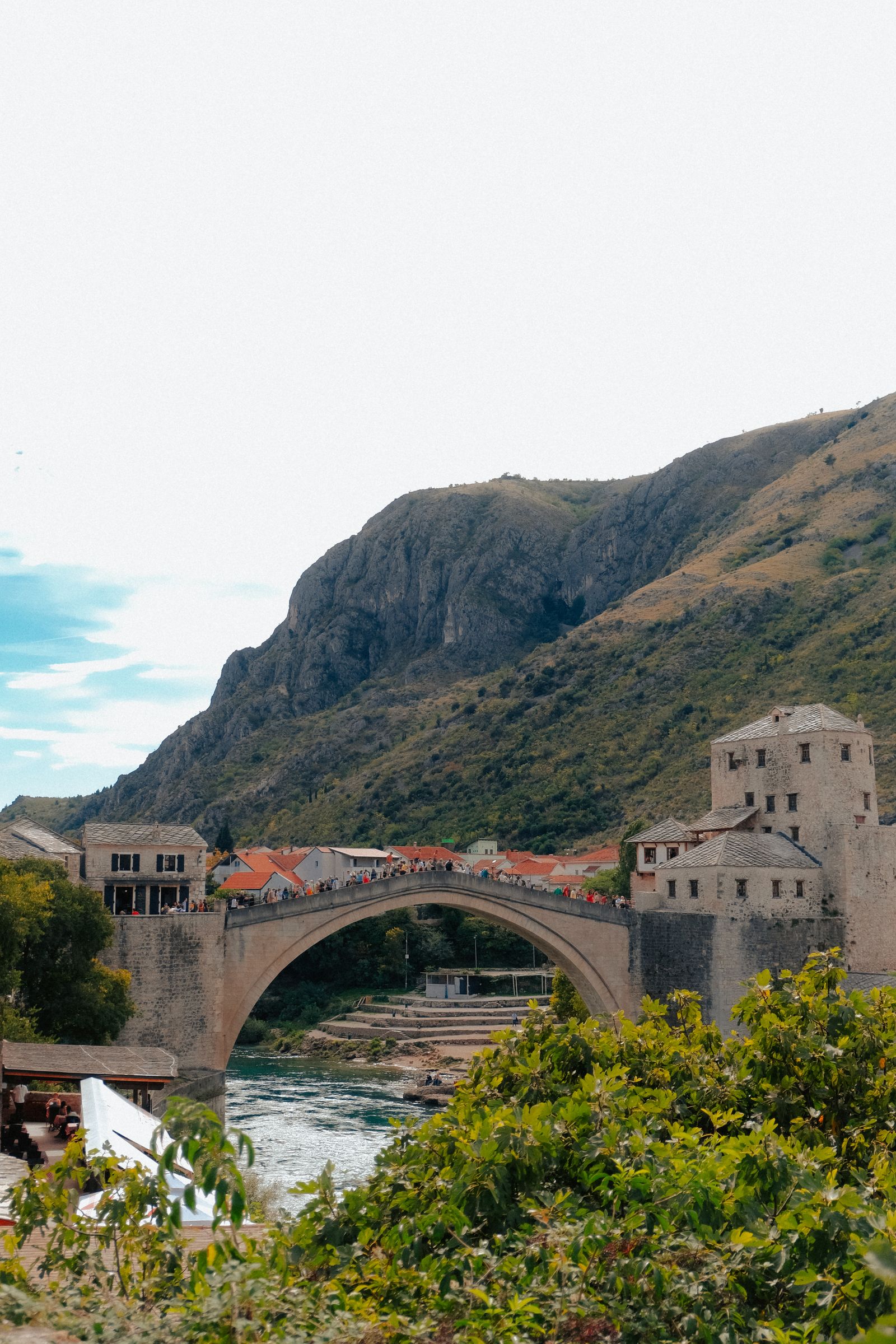
Bosnia travel health guide 2026: no malaria, a 2025 Sarajevo leptospirosis epidemic, rabies and TBE risk, and landmines still covering 15% of the country.
Bosnia and Herzegovina Travel Health Guide: No Malaria, a Sarajevo Leptospirosis Epidemic, and the Landmines That Still Remain
Bosnia and Herzegovina carries no malaria risk anywhere in the country, since it sits inside the World Health Organization's European Region, certified malaria-free in 2016. The health picture generic guides skip is more current than that: Sarajevo Canton's health ministry declared a leptospirosis epidemic in May 2025 after dozens of confirmed cases, rabies and tick-borne encephalitis are both active risks the UK's national travel health service flags for the country, and landmines and unexploded ordnance from the 1992-95 war still contaminate roughly 838 square kilometers, affecting an estimated 15% of the population. Add a genuine tourism boom centered on Sarajevo and Mostar, and Bosnia and Herzegovina is a low-cost, increasingly popular destination that rewards specific, current preparation over a generic Balkans packing list. Our clinical team can help you sort out exactly what applies to your itinerary. Start your free destination check on Wandr.
Quick Facts: Bosnia and Herzegovina Health at a Glance
- Region: Southeastern Europe (the Balkans), bordered by Croatia, Serbia, and Montenegro. Capital: Sarajevo. Other major draws: Mostar's Stari Most Ottoman bridge, the Neretva River canyon, and the ski resorts of Bjelasnica and Jahorina in the surrounding mountains.
- Malaria: No risk anywhere in the country. Bosnia and Herzegovina sits within the WHO European Region, which the World Health Organization certified malaria-free, with member states committing in 2017 to keep it that way.
- Leptospirosis: Sarajevo Canton's health ministry declared a leptospirosis epidemic on May 23, 2025, after at least 22 confirmed cases in the canton, with additional cases reported in Republika Srpska (Banja Luka, Doboj, Foca); officials cited lapsed rodent-control (deratization) work as a contributing factor.
- Rabies: Present risk in domestic and wild animals; UK travel health guidance notes bats may also carry rabies-like viruses.
- Tick-borne encephalitis (TBE): Risk in some areas, spring through autumn, per UK national travel health guidance.
- Landmines and unexploded ordnance: Roughly 838 square kilometers remain contaminated as of 2024, affecting an estimated 538,000 people across some 1,400 communities. The US State Department's advisory notes a landmine-related death as recently as August 2025.
- US State Department advisory: Level 2, Exercise Increased Caution, updated August 27, 2026, citing crime, landmines and unexploded ordnance, and a documented risk of terrorism in the wider Balkan region.
- Tourism: 108,477 tourist arrivals in March 2026 alone, up 11% year over year, with Sarajevo posting some of the country's steepest overnight-stay growth.
- Vaccines that matter most: Routine MMR and tetanus-diphtheria-polio boosters, hepatitis A, and rabies or TBE pre-exposure vaccination depending on your itinerary.
A Balkan Boomtown With a Genuinely Mixed Health Picture
Sarajevo and Mostar have become two of the Balkans' fastest-growing draws for American travelers. Bosnia and Herzegovina logged 108,477 tourist arrivals in March 2026 alone, an 11% increase over March 2025, with 228,214 overnight stays recorded the same month, up more than 10% year over year. Most US visitors land in Sarajevo, walk the Ottoman-era Bascarsija bazaar and the sites along the 1984 Winter Olympics legacy trail, then head south to Mostar's Stari Most bridge and the turquoise Neretva River before looping into the mountains around Bjelasnica or Jahorina.
None of that changes the health fundamentals, and the fundamentals here are a genuine mix. There is no malaria risk anywhere in Bosnia and Herzegovina. What actually matters is a leptospirosis epidemic that is recent enough that most travel guides have not caught up with it, a rabies and tick-borne disease picture consistent with the rest of the Balkans, and a landmine legacy from the 1992-95 war that is unusual among European destinations and worth taking seriously rather than dismissing as historical trivia.
Do You Need Vaccines for Bosnia and Herzegovina?
No vaccines are legally required to enter Bosnia and Herzegovina from the United States. That does not mean none matter, it means the ones that matter are about exposure risk, not an entry stamp.
Everyone should be current on:
- MMR (measles, mumps, rubella). UK travel health guidance flags an elevated measles risk in Bosnia and Herzegovina tied to outbreaks and gaps in local vaccine coverage, consistent with the wider measles resurgence documented across Southeastern Europe in recent years.
- Tetanus-diphtheria-polio. A booster within the last 10 years is standard for any international trip.
- Routine seasonal vaccines (influenza, COVID-19) appropriate for your age and risk group.
Most travelers should also get:
- Hepatitis A, recommended for travelers with less certain food and water access, since exposure comes through contaminated food or water.
- Hepatitis B, given intermediate-to-high prevalence noted in UK travel health guidance, particularly relevant for longer stays or anyone who might need medical care locally.
Consider based on your itinerary:
- Rabies pre-exposure vaccination for extended stays, rural travel, caving, or close animal contact.
- Tick-borne encephalitis (TBE) vaccination if you will be hiking or camping in affected areas between spring and autumn. Our tick-borne encephalitis vaccine guide covers the current schedule.
- Typhoid vaccination if your access to reliable food and water will be limited.
None of Bosnia and Herzegovina's recommended vaccines are stocked in Wandr's own medication catalog. Our providers can review your itinerary and help you book the right ones through our vaccine booking feature rather than calling around Sarajevo pharmacies to check availability.
No Malaria, But a 2025 Leptospirosis Epidemic Most Guides Haven't Caught Up With
Bosnia and Herzegovina sits inside the WHO European Region, which the World Health Organization certified malaria-free, with the region's member states formally committing in 2017 to maintain that status through ongoing surveillance. Practically, that means antimalarial medication is never indicated for a Bosnia-only trip.
The risk most existing travel guides simply have not caught up with yet is leptospirosis, a bacterial infection spread through water or soil contaminated with infected animal urine, most often from rats. Sarajevo Canton's health ministry formally declared a leptospirosis epidemic on May 23, 2025, following at least 22 confirmed cases in the canton, with additional cases subsequently identified in Republika Srpska, including in Banja Luka, Doboj, and Foca. Local reporting tied the outbreak in part to a lapse in systematic rodent-control (deratization) work, and the response included emergency deratization, disinfection of public transport, and increased street and park sanitation across the canton. Leptospirosis typically causes flu-like symptoms, fever, headache, and muscle aches, and can progress to more serious complications if untreated, but it responds to prompt antibiotic treatment when caught early.
Practical takeaway: avoid wading or swimming in slow-moving fresh water, floodwater, or puddles in urban areas with visible rodent activity, especially with any open cuts or scrapes, and seek prompt medical evaluation for fever that develops within a few weeks of such exposure while traveling in or after visiting Bosnia and Herzegovina. This is not a condition Wandr's catalog treats directly, since it is not one of our 11 stocked medications, so our role here is making sure you know the risk exists and what to avoid, not prescribing around it.
Rabies and Tick-Borne Encephalitis: The Regional Pattern Holds Here Too
Rabies is present in Bosnia and Herzegovina's domestic and wild animal population, and UK travel health guidance also notes that bats may carry rabies-like viruses, a pattern consistent with much of the rest of the Balkans. The standard advice applies without exception: never approach, feed, or pet stray or unfamiliar animals, including friendly-looking dogs around tourist sites in Sarajevo or Mostar, and seek same-day medical attention for any bite, scratch, or lick to broken skin, since rabies post-exposure treatment only works if it starts promptly. Travelers planning extended stays, rural travel, caving in the country's extensive karst cave systems, or close animal contact should ask our clinical team about rabies pre-exposure vaccination before departure. Our rabies vaccine guide covers the current pre-exposure schedule and what to do if you are bitten.
Tick-borne encephalitis carries a documented risk in some areas of the country, according to UK national travel health guidance, with tick activity concentrated from early spring through late autumn. TBE is a viral brain and spinal cord infection with no specific antiviral treatment, which is exactly why prevention, permethrin-treated clothing, tick checks after time outdoors, and the TBE vaccine for hikers and campers in higher-exposure areas, matters more here than for most infections travelers worry about.
Food, Water, and Traveler's Diarrhea
Sarajevo and Mostar's tap water is generally treated, but UK travel health guidance still recommends that all travelers take care with personal, food, and water hygiene, a standard precaution across the region. Ordinary traveler's diarrhea, from restaurant food and water rather than a specific outbreak, is still the most likely health issue on a typical Bosnia and Herzegovina trip.
Our clinical team typically recommends a just-in-case antibiotic such as azithromycin or ciprofloxacin for moderate to severe cases, since starting treatment early can turn a multi-day illness into a same-day recovery. Dicyclomine can help with the cramping that often comes with it, and our providers can talk through whether it fits your itinerary during your Wandr visit.
Mountain Roads, Motion Sickness, and Realistic Altitude
Bosnia and Herzegovina's highest peak, Maglic, tops out at 2,386 meters, close to but just under the roughly 8,000-foot (2,438-meter) elevation where the CDC says altitude illness risk typically begins. For the vast majority of travelers sticking to Sarajevo, Mostar, and standard mountain day trips, altitude sickness is not a realistic concern, and acetazolamide is not something our clinical team would typically discuss for a Bosnia-only trip. Multi-day trekkers pushing toward Maglic's summit in Sutjeska National Park are the exception where it is worth a conversation with our providers about acetazolamide as an occasional option.
What is realistic is the driving. The switchback roads through the Neretva River canyon between Sarajevo and Mostar, and the mountain approaches to Bjelasnica and Jahorina, are winding by design. For anyone prone to motion sickness on those routes, meclizine or scopolamine covers most cases, and ondansetron is a useful backup for general nausea on any leg of the trip. Long connecting flights, since there are limited direct US routes, make hydroxyzine worth having on hand for both travel anxiety and jet lag-related sleep disruption.
Landmines and Unexploded Ordnance: Still a Real Safety Issue, 30 Years Later
This is the section that separates a real Bosnia and Herzegovina travel-health guide from a generic Balkans one. Roughly 838 square kilometers of the country remain contaminated by landmines and unexploded ordnance left over from the 1992-95 war, according to figures compiled through 2024, affecting an estimated 538,000 people across approximately 1,400 communities, or close to 15% of the population. The official government target for full demining was 2025; deminers and international observers widely regard that timeline as unreachable given available funding, with some estimates suggesting full clearance could still take decades.
The US State Department's Level 2 advisory, updated August 27, 2026, names landmines and unexploded ordnance among its primary concerns for the country and notes that a fatality from an explosion occurred as recently as August 2025, alongside Sarajevo's elevated rate of property crime (robberies, break-ins, and theft) and a documented, non-tourist-targeted terrorism risk across the wider Balkan region. This is a plain safety note, not a medical one: stick to marked roads, trails, and paved areas everywhere in the country, never enter abandoned buildings, overgrown fields, or forested areas off a marked path, and never touch or move any suspicious metal object, however old or harmless it looks. This guidance applies even in areas that feel fully developed for tourism, since contaminated zones are not always visibly marked.
Entry Requirements and Travel Insurance
US citizens can currently visit Bosnia and Herzegovina visa-free for stays of up to 90 days within a 180-day period. Bosnia and Herzegovina is not part of the EU or the Schengen Area, so a trip that also crosses into Croatia will involve a separate border check. Entry rules can change, and Wandr is a healthcare platform, not an immigration authority; confirm your specific requirements with the Bosnian embassy or your airline before you travel, and do not rely on this guide, or any blog post, for a visa determination.
Bosnia and Herzegovina's healthcare system has reasonable private facilities in Sarajevo, but rural regions and mountain areas have more limited care, and US travelers are not covered by any reciprocal healthcare arrangement the way EU citizens might be within the EU. Given the country's rural terrain, landmine contamination in some areas, and a healthcare system that varies significantly outside major cities, travel medical insurance with evacuation coverage is worth the cost rather than an afterthought. Get travel insurance through Wandr before you go.
Frequently Asked Questions
Do you need vaccines to travel to Bosnia and Herzegovina? No vaccines are legally required to enter Bosnia and Herzegovina from the United States. UK national travel health guidance recommends hepatitis A for most travelers, hepatitis B given the country's intermediate-to-high prevalence, routine MMR and tetanus-diphtheria-polio boosters, and rabies or TBE pre-exposure vaccination for travelers with rural or extended itineraries.
Is there malaria in Bosnia and Herzegovina? No. Bosnia and Herzegovina sits within the WHO European Region, which the World Health Organization certified malaria-free, with member states committing in 2017 to maintain that status, so antimalarial medication is not indicated for a Bosnia-only trip.
What is the leptospirosis outbreak in Sarajevo about? Sarajevo Canton's health ministry declared a leptospirosis epidemic on May 23, 2025, after at least 22 confirmed cases in the canton, with more cases later confirmed in Republika Srpska. Leptospirosis spreads through water or soil contaminated with infected animal urine, most often from rats, and officials cited a lapse in rodent-control work as a contributing factor.
Are landmines really still a risk in Bosnia and Herzegovina? Yes. An estimated 838 square kilometers remain contaminated by landmines and unexploded ordnance from the 1992-95 war, affecting roughly 538,000 people, and the US State Department's advisory notes a landmine-related death as recently as August 2025. Stay on marked roads and trails at all times, and never touch unfamiliar metal objects.
Is Bosnia and Herzegovina safe to visit in 2026? For most travelers sticking to Sarajevo, Mostar, and standard tourist routes, yes, with normal precautions. The US State Department rates the country Level 2, Exercise Increased Caution, as of its August 27, 2026 update, citing property crime, landmines and unexploded ordnance in certain areas, and a documented, non-tourist-targeted terrorism risk across the wider Balkans.
Is rabies a real risk in Bosnia and Herzegovina? Yes. UK travel health guidance confirms rabies is present in domestic and wild animals, and bats may carry related viruses. Never approach or pet stray or unfamiliar animals, and seek same-day medical care for any bite, scratch, or lick to broken skin.
Are there ticks or tick-borne diseases in Bosnia and Herzegovina? Yes. UK travel health guidance documents a tick-borne encephalitis risk in some areas of the country, with tick activity concentrated from early spring through late autumn. Standard tick-bite prevention is worthwhile for hiking, camping, or rural travel during those months.
Do I need a visa to visit Bosnia and Herzegovina as a US citizen? US citizens can visit Bosnia and Herzegovina visa-free for stays of up to 90 days within a 180-day period. Wandr is a healthcare platform and cannot make visa or immigration determinations; confirm current entry requirements with the Bosnian embassy or your airline before departure.
Our providers build a Bosnia and Herzegovina plan matched to your actual itinerary, not a generic checklist. Start your free destination check on Wandr and get the vaccines and prescriptions that apply to your trip.
The Wandr Team is the editorial group at Wandr Health; every article is reviewed by a licensed clinician before publication.