
Bulgaria Travel Health Guide: A 2026 Measles Outbreak, No Malaria, and the Balkans' Highest Peak
Bulgaria carries no malaria risk anywhere in the country, but 2026 has brought a real measles surge: 364 confirmed cases, 300 of them children, as of June 8, 2026, up from just one case in the same period of 2025, per Bulgaria's Health Ministry. Rabies still circulates in wild animals, tick-borne encephalitis is a seasonal risk in forested regions, and Musala Peak, at 2,925 meters, is the highest point in the Balkans, high enough to matter for fast ascents. Our clinical team reviews each traveler's itinerary and vaccination history before recommending a plan. Start your visit on Wandr before you fly.
Bulgaria Travel Health Guide: A 2026 Measles Outbreak, No Malaria, and the Balkans' Highest Peak
Bulgaria carries no malaria risk anywhere in the country, but 2026 has brought a real measles surge: 364 confirmed cases, 300 of them children, as of June 8, 2026, up from just one case in the same period of 2025, per Bulgaria's Health Ministry. Rabies still circulates in wild animals, tick-borne encephalitis is a seasonal risk in forested regions, and Musala Peak, at 2,925 meters, is the highest point in the Balkans, high enough to matter for fast ascents. Our clinical team reviews each traveler's itinerary and vaccination history before recommending a plan. Start your visit on Wandr before you fly.
By The Wandr Health Team Last updated: September 15, 2026
Quick Facts: Bulgaria Health at a Glance
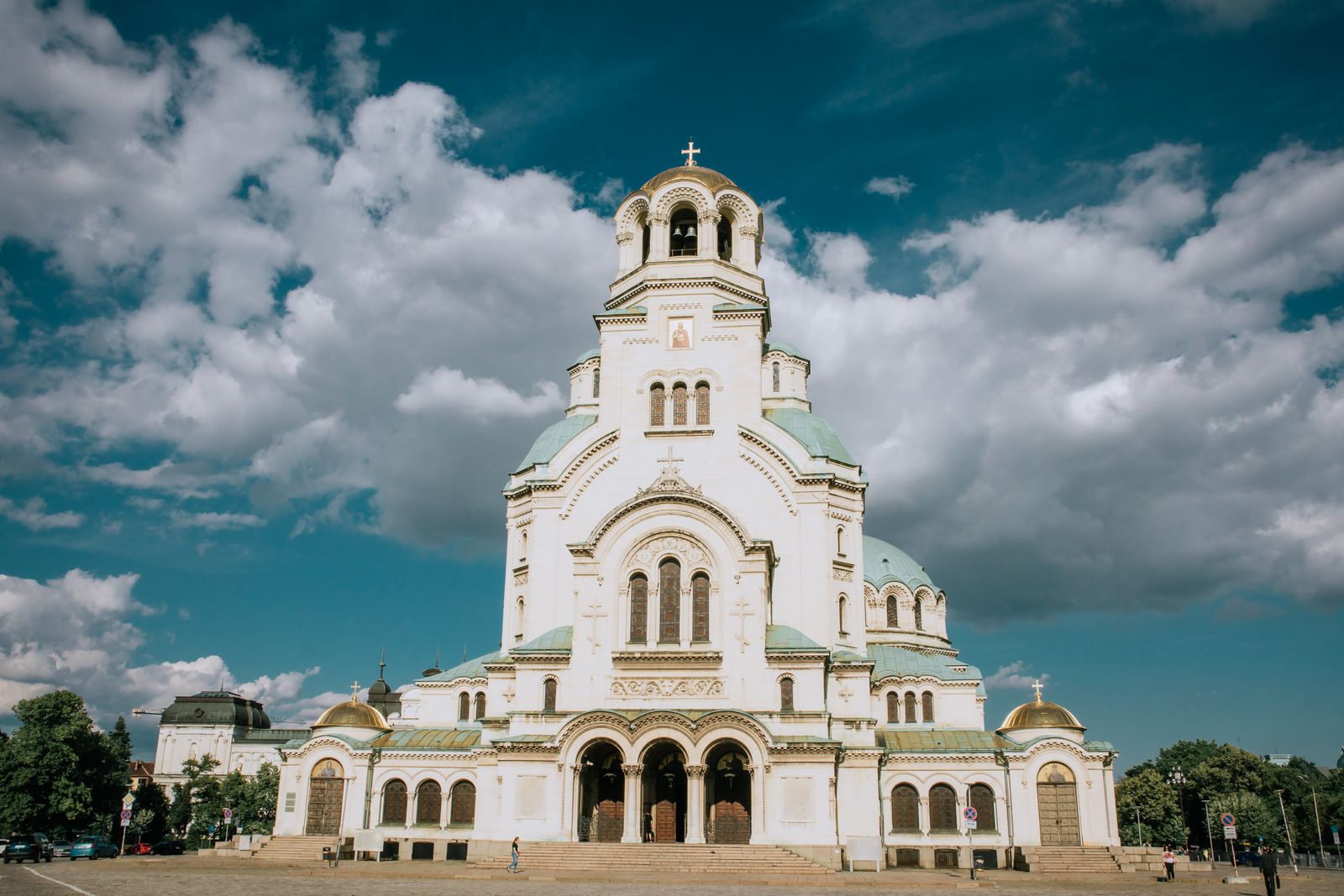
- Region: Southeastern Europe (the Balkans), bordered by Romania, Serbia, North Macedonia, Greece, and Turkey, with a Black Sea coastline. Capital: Sofia. Major visitor draws: Sofia's Alexander Nevsky Cathedral, the Rila Monastery, the Black Sea beach towns of Sunny Beach and Nesebar, and the Rila and Pirin mountain ranges.
- CDC/WHO Malaria Risk: None. The WHO European Region, which includes Bulgaria, has been malaria-free since 2016, and member states reaffirmed their commitment to staying that way in 2017.
- Key Health Risks: A significant 2026 measles outbreak, rabies in wild animals (foxes and bats), tick-borne encephalitis in rural and forested areas, traveler's diarrhea from food and water, and mountain terrain that reaches 2,925 meters at Musala Peak.
- Recommended Vaccines: MMR (measles, mumps, rubella) for any traveler without documented immunity, routine tetanus-diphtheria booster if more than 10 years since the last dose, hepatitis A for most travelers, hepatitis B for longer stays, and tick-borne encephalitis vaccination for hikers and campers.
- Recommended Medications: A prescription antibiotic for traveler's diarrhea, an antispasmodic for cramping, motion sickness medication for mountain roads and Black Sea ferries, and something for sleep and travel anxiety on long flights.
- US State Department Advisory: Level 1, Exercise Normal Precautions, updated October 9, 2025.
- Travel Insurance Recommended: Yes. Sofia and the coastal resorts have reasonable private care, but rural mountain regions have limited facilities, and a rabies exposure or a mountain injury far from a city can turn into an urgent logistics problem.
Overview
Bulgaria drew roughly 13.6 million international visitors in 2025, a 2.7% increase over 2024, and industry forecasts put 2026 arrivals near 14 million, according to tourism economist Rumen Draganov. Most American travelers split their time between Sofia's gold-domed Alexander Nevsky Cathedral, the UNESCO-listed Rila Monastery in the mountains south of the capital, and the Black Sea resort towns of Sunny Beach and Nesebar.
The health picture here has shifted in 2026 in a way that matters for anyone traveling with young children or without documented measles immunity. Bulgaria has no malaria risk and a Level 1, lowest-tier US travel advisory, but it is also in the middle of its largest measles outbreak in years, a genuinely different story from the rabies-elimination and tick-borne-disease angles that have defined most of our recent Balkan destination guides.
Measles: Bulgaria's Real 2026 Health Story
This is the fact that should change your pre-trip checklist. Bulgaria's Health Ministry reported 364 confirmed measles cases, including 300 children, as of June 8, 2026, according to a Bulgarian National Agency (BTA) report. That is a dramatic jump from just one measles case recorded during the same January-to-May window in 2025, per an earlier BTA update covering the outbreak's first months.
The outbreak began in March 2026 and has concentrated heavily in three regions: Vratsa (198 cases), Pleven (101 cases), and Lovech (41 cases), with smaller case counts in Sofia and along the Black Sea coast. Bulgaria's National Centre of Infectious and Parasitic Diseases ordered emergency immunization for children with missed vaccine doses, and health authorities have administered more than 28,000 MMR (measles, mumps, rubella) vaccines since the outbreak began, according to the same BTA reporting.
Measles spreads through airborne droplets and is among the most contagious diseases known, capable of infecting 90% of susceptible people in close contact with an infected person, according to the World Health Organization. If you are traveling to Bulgaria without documented MMR immunity, or traveling with a child too young for routine vaccination, this outbreak is the single most actionable health fact in this guide. Our clinical team can review your vaccination records and help you close any gaps before you fly. Book your vaccine appointment through Wandr.
Malaria: A Non-Issue Everywhere in the Country
You do not need antimalarial medication for any itinerary in Bulgaria. The World Health Organization certified its European Region, all 53 member states including Bulgaria, malaria-free in 2016, and the region's countries reaffirmed their commitment to maintaining that status in 2017. No locally acquired malaria case has been reported in Bulgaria in the modern era. If your trip continues on to a malaria-endemic country afterward, our clinical team can prescribe Malarone (atovaquone-proguanil) as part of your pre-trip visit, but Bulgaria itself does not require it.
Rabies: A Real but Manageable Risk
Rabies circulates in Bulgaria's wildlife, primarily foxes and bats, and UK travel health guidance recommends avoiding contact with wild and stray animals throughout the country. Most visitors face low risk since Bulgaria does not have the same domestic-dog-mediated rabies burden documented in some other parts of the world, but any bite or scratch from a mammal you cannot verify as vaccinated should be treated as a medical event, not an inconvenience.
If you are bitten or scratched, wash the wound with soap and running water for a full 15 minutes and seek medical care the same day. Travelers planning extended rural time, caving, wildlife encounters, or work with animals should ask our clinical team whether a rabies pre-exposure vaccine fits their itinerary before departure.
Tick-Borne Encephalitis: A Seasonal Forest Risk
Tick-borne encephalitis (TBE) circulates in parts of Bulgaria, with ticks most active from spring through autumn, according to UK travel health guidance. Case clusters tied to specific districts have been documented in the Bulgarian medical literature, consistent with the broader pattern across Central and Southeastern Europe. TBE vaccination is recommended for travelers planning hiking, camping, or other outdoor activity in forested or rural areas during tick season.
Unpasteurized dairy products are a secondary TBE transmission route, since the virus can pass through raw milk and unpasteurized cheese from infected animals. Avoid dairy from roadside stands or informal markets outside restaurants and grocery stores, use an EPA-registered tick repellent (DEET or picaridin) on skin and permethrin on clothing when hiking, and check your whole body for ticks each evening in rural areas.
Altitude: The Balkans' Highest Point
Musala Peak, in the Rila Mountains south of Sofia, rises to 2,925 meters (9,598 feet), making it the highest point in Bulgaria and across the entire Balkan Peninsula. That elevation sits well above the roughly 2,438-meter (8,000-foot) threshold where acute mountain sickness becomes a real consideration, particularly for travelers who summit in a single fast day trip from Sofia rather than acclimatizing gradually.
Most visitors to Rila Monastery and the surrounding national park stay well below altitudes that cause symptoms. But travelers planning a Musala summit push, especially a same-day ascent, should recognize the risk of headache, nausea, and fatigue at altitude. Our clinical team can discuss whether acetazolamide makes sense for your specific ascent plan.
Vaccines: What to Get Before You Go
- MMR (measles, mumps, rubella): A priority for 2026 given the active outbreak. Confirm you have documented immunity (two prior doses or a positive titer) before you travel, and get vaccinated if you do not.
- Hepatitis A: Recommended for most travelers given general food and water exposure.
- Hepatitis B: Worth considering for longer stays or any anticipated medical care, given intermediate-to-high documented prevalence in Bulgaria.
- Tick-borne encephalitis: Recommended for travelers planning hiking, camping, or extended outdoor time in rural or forested areas during tick season (spring through autumn).
- Routine boosters: Confirm your tetanus-diphtheria status is current, particularly if hiking is part of your itinerary.
Vaccines on Wandr work differently from prescriptions: you pick a partner pharmacy location and time, we book the appointment, and the pharmacist administers your travel vaccines on-site. Schedule your vaccine appointments through Wandr before you fly.
Food and Water Safety
Sofia's municipal tap water is treated and generally meets safety standards, but most visitors and residents still default to bottled water, particularly outside the capital. In rural areas and smaller towns, water quality is more variable, so bottled water is the safer default nationwide, and it is inexpensive and widely available.
Bulgarian cuisine leans on grilled meats, stewed vegetables, and fresh cheese, most of it served hot, which works in your favor. As noted above, unpasteurized dairy carries both a general food-safety risk and the tick-borne encephalitis exposure route. As in most of the region, traveler's diarrhea from food and water remains the single most common reason a visitor to Bulgaria ends up needing a prescription mid-trip.
What to Pack: Practical Medications
- Traveler's diarrhea: Azithromycin is our first-line prescription antibiotic for traveler's diarrhea; ciprofloxacin is a reasonable alternative when azithromycin is not appropriate. An antispasmodic (dicyclomine) can help with cramping.
- Motion sickness: Mountain roads through the Rila and Pirin ranges, plus Black Sea coastal ferries and excursion boats, are common triggers. Meclizine or a scopolamine patch cover most itineraries.
- General nausea: Ondansetron is useful for nausea from food, mountain roads, or general travel illness.
- Sleep and anxiety: Hydroxyzine can help with travel anxiety or disrupted sleep on long flights or overnight trains.
- Altitude (occasional): Travelers planning a fast ascent of Musala Peak (2,925 meters) may want to ask our clinical team whether acetazolamide fits their itinerary; most Sofia, Rila Monastery, and Black Sea coast visitors will not need it.
Our providers review your health profile and itinerary before prescribing, so you get what actually fits your trip rather than a generic kit. Start your visit on Wandr.
Travel Advisory and Practical Safety
The US State Department rates Bulgaria Level 1, Exercise Normal Precautions, as of an October 9, 2025 update, describing Bulgaria as generally a safe destination for travelers with no changes to the advisory level in that update. Standard precautions apply: enroll in the State Department's Smart Traveler Enrollment Program, review current security guidance, and carry adequate travel insurance.
One practical planning note: Bulgaria became a full Schengen Area member on January 1, 2025, when land border checks were lifted (following an earlier removal of air and sea border checks in March 2024), according to a Council of the European Union press release. For most US travelers this simplifies overland trips connecting Bulgaria with Romania, Greece, and other Schengen countries, though it does not change visa requirements for longer stays. This guide does not provide a visa or immigration determination; confirm current entry requirements with the Embassy of Bulgaria or the US Department of State before you travel.
Health and Safety Tips
- Confirm your MMR immunity or get vaccinated before you travel, given the active 2026 measles outbreak.
- Use bottled water for drinking and brushing teeth outside major hotels and restaurants, and in rural areas without exception.
- Avoid unpasteurized dairy purchased from roadside stands or informal markets.
- Avoid contact with stray or wild animals, and seek care immediately for any bite or scratch.
- Use tick repellent and check your whole body for ticks daily if hiking in the Rila, Pirin, or Balkan mountain ranges between spring and autumn.
- If summiting Musala Peak, plan for gradual acclimatization rather than a single fast ascent when possible.
- Carry a copy of your prescriptions and keep medications in their original, labeled packaging.
FAQ
Is it safe to travel to Bulgaria right now? Yes. The US State Department rates Bulgaria Level 1, Exercise Normal Precautions, its lowest risk category, as of an October 9, 2025 update. The main health-specific concern for 2026 is an active measles outbreak, not a general safety issue, so confirming your vaccination status matters more than any crime or security concern.
Do I need malaria pills for Bulgaria? No. Bulgaria has no malaria risk anywhere in the country, and the World Health Organization certified its entire European Region malaria-free in 2016. If your itinerary continues to a malaria-endemic country afterward, our clinical team can prescribe Malarone for that leg of the trip.
Is there really a measles outbreak in Bulgaria? Yes. Bulgaria's Health Ministry reported 364 confirmed measles cases, including 300 children, as of June 8, 2026, up from a single case during the same period in 2025. The outbreak has concentrated in the Vratsa, Pleven, and Lovech regions, and health authorities have administered over 28,000 MMR vaccine doses in response.
Do I need an MMR vaccine before visiting Bulgaria? If you do not have documented immunity to measles, mumps, and rubella, either from two prior vaccine doses or a positive antibody titer, yes. Given the active 2026 outbreak, this is the single highest-priority vaccine check for any traveler to Bulgaria this year, especially families traveling with young children.
Is tap water safe to drink in Sofia? Sofia's municipal water is treated and generally meets national safety standards, but most residents and visitors still default to bottled water, and water quality is more variable outside the capital. Bottled water is the safer default nationwide and is inexpensive and widely available.
Do I need a rabies vaccine before visiting Bulgaria? It depends on your itinerary. Rabies circulates in wild animals, primarily foxes and bats, and pre-exposure vaccination is generally recommended for travelers planning extended rural time, caving, or likely animal contact. Most short visits to Sofia and the Black Sea coast do not require it, but our clinical team can help you decide based on your specific plans.
Is Musala Peak dangerous for altitude sickness? It can be, particularly on a fast, single-day ascent. At 2,925 meters, Musala Peak is the highest point in Bulgaria and the Balkan Peninsula, well above the roughly 2,438-meter threshold where acute mountain sickness becomes a real consideration. Gradual acclimatization reduces the risk, and our clinical team can discuss whether preventive medication fits your ascent plan.
Do I need a visa to visit Bulgaria as a Schengen country? Bulgaria became a full Schengen Area member on January 1, 2025. We do not provide visa or immigration determinations; confirm current entry and visa requirements for your nationality with the Embassy of Bulgaria or the US Department of State before you travel.
The Bottom Line
Bulgaria is not a malaria destination, and its Level 1 US travel advisory reflects a genuinely low-risk security picture. But 2026 has brought a real, active measles outbreak that should move MMR immunity to the top of every traveler's pre-trip checklist, especially families with young children. Layer in standard rabies and tick-borne encephalitis precautions, bottled water outside major cities, and a realistic acclimatization plan if Musala Peak is on your itinerary, and the honest packing list for Bulgaria looks a little different than "just bring sunscreen for the Black Sea coast." Our providers can build the right prevention plan for your specific trip. Start your visit on Wandr, or explore our full travel medication lineup and vaccine booking before you fly.
For more on the vaccines at the center of this guide, see our MMR vaccine guide, rabies vaccine guide, and tick-borne encephalitis vaccine guide. Planning a wider Balkans trip? Read our guides to North Macedonia and Greece.
This article is for general educational purposes and is not a substitute for personalized medical advice. Medication and vaccine recommendations depend on your individual health history, itinerary, and length of stay. This guide does not provide visa or immigration determinations; confirm current entry requirements with the Embassy of Bulgaria or the US Department of State before you travel. Get travel insurance with medical evacuation coverage before departure.
Sources
- World Health Organization. Europe commits to staying malaria-free (2017), referencing the 2016 certification of the WHO European Region. https://www.who.int/news/item/04-09-2017-europe-commits-to-staying-malaria-free
- BTA (Bulgarian News Agency). Measles Cases Registered in Bulgaria Reach 225. https://www.bta.bg/en/news/bulgaria/1119755-measles-cases-registered-in-bulgaria-reach-225
- BTA (Bulgarian News Agency). Measles Cases in Bulgaria Reach 317, January 1 - May 24, Compared to Just One in Same Period of 2025. https://www.bta.bg/en/news/bulgaria/1133829-measles-cases-in-bulgaria-reach-317-january-1-may-24-compared-to-just-one-in
- AZERTAC, citing Bulgaria's Health Ministry via BTA. Measles cases in Bulgaria reach 364, including 300 children. https://azertag.az/en/xeber/measles_cases_in_bulgaria_reach_364_including_300_children-4255159
- Patient.info / Travel Health Pro. Travel health advice for Bulgaria. https://patient.info/travel-and-vaccinations/bulgaria
- US Department of State. Bulgaria Travel Advisory. https://travel.state.gov/content/travel/en/traveladvisories/traveladvisories/bulgaria-travel-advisory.html
- Council of the European Union. Schengen: Council decides to lift land border controls with Bulgaria and Romania. https://www.consilium.europa.eu/en/press/press-releases/2024/12/12/schengen-council-decides-to-lift-land-border-controls-with-bulgaria-and-romania/
- TravelMole, citing Bulgaria tourism industry data. Bulgaria tourism surged by 2.7% in 2025 to 13.6 million visitors. https://www.travelmole.com/news/bulgaria-tourism-surged-2026/
- Wikipedia. Musala. https://en.wikipedia.org/wiki/Musala
The Wandr Health Team is the clinical and editorial team at Wandr Health; every article is reviewed by a licensed clinician before publication.