
Kazakhstan Travel Health Guide: No Malaria, Active Plague Zones Across 40% of the Country, and a Cable Car to 10,500 Feet
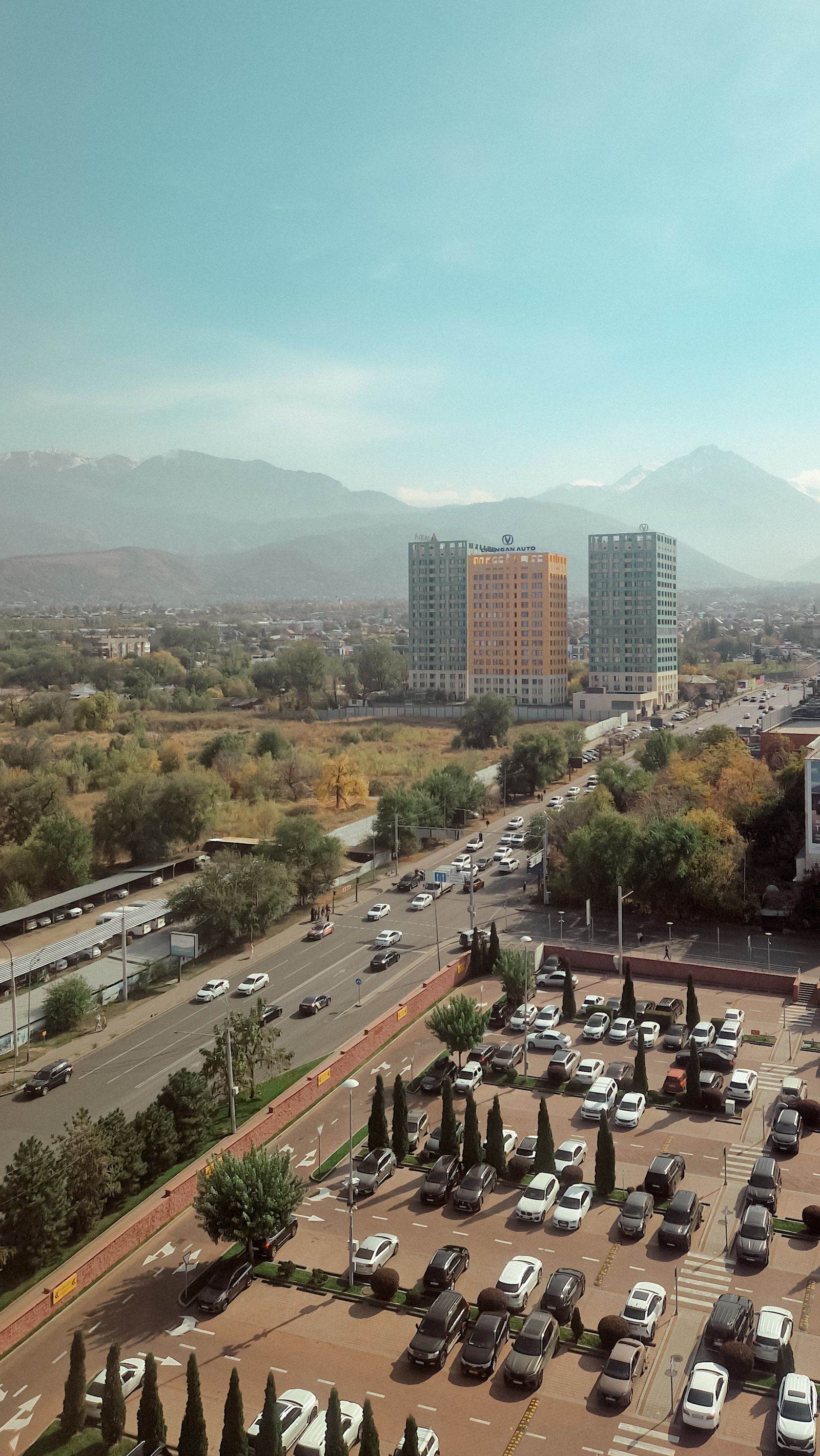
Kazakhstan carries no malaria risk, and a 2024 peer-reviewed case report describes it plainly as a malaria-free country. That does not mean the health picture is simple: natural plague foci cover roughly 40% of Kazakhstan's territory, though no human case has been reported since 2003 thanks to active surveillance. The country is also mid-outbreak, with more than 5,000 measles cases logged since the start of 2026, and rabies remains endemic in dogs and wild canids. Add a genuine altitude risk, a cable car above Almaty that reaches 3,200 meters (10,500 feet) in about 16 minutes, and Kazakhstan needs more preparation than its new Level 1 safety rating suggests. Start your visit on Wandr before you fly.
Kazakhstan Travel Health Guide: No Malaria, Active Plague Zones Across 40% of the Country, and a Cable Car to 10,500 Feet
Kazakhstan carries no malaria risk, and a 2024 peer-reviewed case report describes it plainly as a malaria-free country. That does not mean the health picture is simple: natural plague foci cover roughly 40% of Kazakhstan's territory, though no human case has been reported since 2003 thanks to active surveillance. The country is also mid-outbreak, with more than 5,000 measles cases logged since the start of 2026, and rabies remains endemic in dogs and wild canids. Add a genuine altitude risk, a cable car above Almaty that reaches 3,200 meters (10,500 feet) in about 16 minutes, and Kazakhstan needs more preparation than its new Level 1 safety rating suggests. Start your visit on Wandr before you fly.
By The Wandr Health Team Last updated: September 21, 2026
Quick Facts: Kazakhstan Health at a Glance
- Region: Central Asia, the world's largest landlocked country, bordered by Russia, China, Kyrgyzstan, Uzbekistan, and Turkmenistan. Major draws: Almaty and the Tian Shan mountains, the capital Astana and its Baiterek Tower skyline, the Charyn Canyon, and the Silk Road cities of Turkistan and Shymkent.
- CDC/WHO Malaria Risk: None. Kazakhstan is described as a malaria-free country in the peer-reviewed literature, and WHO/Europe has acknowledged its malaria-free status.
- Key Health Risks: An active 2026 measles outbreak, endemic rabies in dogs and wild canids, natural plague foci across a large share of the country's steppe and mountain terrain, and rapid-ascent altitude exposure near Almaty.
- Recommended Vaccines: MMR (measles, mumps, rubella) for any traveler without documented immunity, a routine tetanus booster if more than 10 years since the last dose, tick-borne encephalitis vaccine for spring-to-autumn outdoor travel in specific regions, and rabies pre-exposure vaccination for rural travel or extended stays.
- Recommended Medications: Acetazolamide if the Shymbulak cable car or a Tian Shan trek is on the itinerary, a just-in-case antibiotic for traveler's diarrhea, and something for general nausea or travel anxiety on long flights.
- US State Department Advisory: Level 1, Exercise Normal Precautions, confirmed in an August 2026 update, with flooding flagged as a seasonal, weather-related caution rather than a security concern.
- Travel Insurance Recommended: Yes. Almaty and Astana have strong private medical care, but rural steppe and mountain regions have thinner coverage, and a measles exposure, a plague-zone hiking itinerary, or an altitude-related descent can all turn into unplanned costs.
Overview
Kazakhstan's tourism boom is real and recent. The country logged 15.7 million foreign visitors in 2025, up from 9.2 million in 2023, and welcomed another 7 million foreign tourists in just the first half of 2026, according to Kazakhstan's own tourism data reported by the Astana Times. Visitors from China alone grew by 46.8% in 2025 to more than 960,000, and the US State Department placed Kazakhstan at Level 1, its lowest and safest advisory tier, in an August 2026 update. Most US travelers land in Almaty for the mountains or Astana for the futuristic capital skyline, then branch out to the Silk Road cities or the steppe.
The health picture rewards more attention than that safety headline suggests. There is no malaria anywhere in the country. But Kazakhstan is in the middle of a serious measles outbreak in 2026, rabies is endemic and kills people every year, natural plague foci, yes, the same bacterium behind medieval outbreaks, cover a large share of the national territory, and the mountains above Almaty let a day-tripper reach over 10,000 feet by cable car in about 16 minutes. None of this should keep a well-prepared traveler home. It does mean Kazakhstan deserves a more specific pre-trip checklist than "Level 1, go enjoy it."
Malaria: A Non-Issue, Confirmed in the Medical Literature
You do not need antimalarial medication for any standard itinerary in Kazakhstan. WHO/Europe has acknowledged the country's malaria-free status, and a 2024 case report published in the International Journal of Infectious Diseases, describing a severe imported Plasmodium falciparum infection in a traveler who had actually returned from Kazakhstan, refers to it directly as "a malaria-free country," the imported infection itself being the exception that proves the rule. If your itinerary continues on to a malaria-endemic country afterward, our clinical team can prescribe Malarone (atovaquone-proguanil) as part of your pre-trip visit, but Kazakhstan itself does not require it.
Plague: The Risk Almost No Travel Guide Mentions
This is the fact that separates a real Kazakhstan health guide from a generic one. Natural plague foci, meaning wild rodent populations that carry Yersinia pestis, the bacterium behind plague, occupy approximately 1.1 million square kilometers of Kazakhstan, or nearly 40% of the country's land area, spanning steppe, desert, and high-mountain ecosystems, according to a 2025 peer-reviewed epidemiological study of the country's plague surveillance system. The infection circulates among great gerbils in sandy deserts, ground squirrels on the steppe, and marmots in high-mountain zones such as the Tian Shan.
"In our clinical experience, the word 'plague' understandably alarms travelers more than almost anything else we discuss," says Mark Karam, PA-C, physician associate and co-founder of Wandr Health. "The context matters here. Kazakhstan's surveillance system has caught every warning sign for over two decades without a single human case slipping through. That is a genuine public health success story, not a reason to avoid the country. It is a reason to avoid handling sick or dead rodents and to know what to watch for if you are hiking or camping in rural steppe or mountain areas."
The reassuring half of this story is just as well documented: no human plague case has been recorded in Kazakhstan since 2003, even as laboratory surveillance of the animal population has intensified, with confirmed Yersinia pestis strains detected in wildlife rising from 31 in 2020 to 91 in 2025. That increase reflects better detection, not a growing threat to travelers, since the same study attributes the country's clean human record to an "effective surveillance system" that catches animal die-offs before they reach people. For a standard Almaty, Astana, or Silk Road city itinerary, the practical risk is close to zero. For rural steppe travel, camping, or contact with wild rodents (never touch a sick or dead rodent, and use insect repellent to deter the fleas that transmit the bacterium), the precaution is simple and does not require any medication from Wandr's catalog: avoid the animals, and seek immediate medical attention for any unexplained fever with painful, swollen lymph nodes after rural travel in Kazakhstan or nearby Central Asian steppe regions.
Measles: An Active 2026 Outbreak
Kazakhstan is currently in the middle of one of the larger measles outbreaks in the region. More than 5,000 measles cases have been registered since the beginning of 2026, according to the country's Ministry of Healthcare as reported by Qazinform, with 76.3% of cases occurring in unvaccinated individuals. Children bear the brunt of it: up to 83% of cases are in those under 14, and more than 70% of all cases are in children under five. Almaty, Astana, and several other regions are logging the most severe activity, and health authorities have responded with catch-up MMR campaigns for infants, older children, adolescents, and healthcare workers.
For adult US travelers, the practical takeaway is straightforward. If you cannot document two prior MMR doses or a positive immunity titer, confirm your status before this trip, especially given how actively the virus is circulating right now rather than as a theoretical risk. Book your vaccine appointment through Wandr before you fly.
Rabies: Endemic, and Still Fatal When Missed
Rabies is not a rare or historical concern in Kazakhstan. A 2025 peer-reviewed surveillance study documented 25 human rabies deaths between 2015 and 2024, with the annual toll declining to fewer than 3 deaths per year by 2023 thanks to expanded post-exposure prophylaxis, which as many as 70,000 people receive annually in the country. Animal surveillance recorded 985 confirmed cases over the same decade, split across cattle (55.8%), dogs and cats (38.4%), and wild canids like foxes (5.8%), and the same research notes that up to 99% of human infections trace back to dog bites.
"Any bite or scratch from a dog, cat, or wild animal in Kazakhstan needs the same response as anywhere else rabies is endemic," says Mark Karam, PA-C. "Wash the wound with soap and running water for a full 15 minutes, then get evaluated the same day. Post-exposure treatment works, but only if it starts promptly, and rabies is essentially always fatal once symptoms begin." There is genuinely good recent news here too: livestock rabies cases fell 68.1% in the first half of 2025 compared to the prior year, a sign the country's control programs are working. Rabies pre-exposure vaccination is worth a real conversation with our clinical team if your trip includes extended rural travel, work with animals, or remote stays away from quick medical access. Read the full picture at Rabies Vaccine: A Traveler's Guide, and Wandr books rabies pre-exposure vaccine appointments at a partner pharmacy near you. Book your vaccine appointment before you fly.
Tick-Borne Encephalitis: A Regional, Not National, Risk
Tick-borne encephalitis (TBE) is a real but geographically limited risk in Kazakhstan. Travel health guidance identifies specific risk areas, including Almaty, Eastern Kazakhstan, Akmola, Kostanai, and Karaganda regions along with northern Kazakhstan, with transmission running from early spring to late autumn. If your itinerary keeps you in Almaty city, Astana, or the major Silk Road tourist route, your exposure is minimal. If you plan to hike, camp, or spend extended time outdoors in the Tian Shan foothills or the identified risk regions during tick season, a TBE vaccine conversation with our clinical team is worthwhile. Book your vaccine appointment through Wandr.
Practical prevention matters just as much as the vaccine decision: use an EPA-registered tick repellent (DEET or picaridin) on skin and permethrin-treated clothing before hiking, do a full-body tick check each evening, and remove any attached tick promptly with fine-tipped tweezers, pulling straight out without twisting. Read more at Tick-Borne Encephalitis: A Traveler's Guide.
Altitude: The Shymbulak Cable Car Above Almaty
This is the risk that catches the most travelers off guard, because Almaty itself sits at a walkable elevation. The Shymbulak cable car system, launching from just outside the city, climbs in stages to Talgar Pass at 3,200 meters (10,500 feet), with the final stretch covering roughly 940 vertical meters in about 16.5 minutes. That is a rapid mechanical ascent to a genuinely high elevation, with essentially no time to acclimatize, the exact combination travel medicine research flags as highest-risk for triggering acute mountain sickness even in otherwise healthy travelers.
Watch for headache, nausea, dizziness, or loss of appetite in the hours after riding the cable car to its upper stations, and descend if symptoms worsen rather than pushing through. This is the same mechanism behind altitude illness in visitors flying straight into Colorado ski towns near a comparable elevation; see our Colorado altitude guide for the broader framework. If your itinerary includes the Shymbulak cable car, a Tian Shan summit attempt, or multi-day trekking above 2,500 meters, talk to our clinical team about acetazolamide (Diamox) before you go. Read the full picture at Altitude Sickness: Symptoms, Prevention & Treatment, and our providers can review your itinerary through your free destination check.
Food and Water Safety
Tap water in Kazakhstan is not reliably safe to drink, even in Almaty and Astana. Stick to bottled or properly filtered water, avoid ice in drinks unless you know it was made from purified water, and be cautious with unpasteurized dairy products, particularly in rural areas, which can also carry a secondary tick-borne encephalitis exposure route.
Kazakh and Central Asian cuisine leans toward grilled and stewed meats, plov (rice pilaf), and fresh bread, most of it served hot, which works in your favor. As with most destinations in this series, ordinary traveler's diarrhea from restaurant food and inconsistent hygiene practices, not a single dramatic disease, is still the most common reason a visitor ends up needing a prescription mid-trip.
What to Pack: Practical Medications
- Altitude: Acetazolamide is worth discussing with our clinical team if the Shymbulak cable car, a Tian Shan trek, or any ascent above roughly 2,500 meters is on your itinerary.
- Traveler's diarrhea: Azithromycin is our first-line prescription antibiotic for traveler's diarrhea; ciprofloxacin is a reasonable alternative when azithromycin is not appropriate. An antispasmodic (dicyclomine) can help with cramping.
- General nausea: Ondansetron is useful for nausea from mountain roads, long train journeys across the steppe, or general travel illness.
- Sleep and anxiety: Hydroxyzine can help with travel anxiety or disrupted sleep on the long flights most US travelers need to reach Central Asia.
Our providers review your health profile and itinerary before prescribing, so you get what actually fits your trip rather than a generic kit.
Vaccines: What to Get Before You Go
- MMR (measles, mumps, rubella): A genuine priority given the active 2026 outbreak. Confirm documented immunity (two prior doses or a positive titer) before you travel.
- Rabies pre-exposure vaccine: Discuss this with our clinical team if your trip involves extended rural travel, animal contact, or remote stays.
- Tick-borne encephalitis: Worth considering if your itinerary includes hiking or camping in Almaty region, Eastern Kazakhstan, or the other identified risk regions during spring through autumn.
- Routine tetanus booster: Confirm your status is current, especially if hiking is part of your itinerary.
Vaccines on Wandr work differently from prescriptions: you pick a partner pharmacy location and time, we book the appointment, and the pharmacist administers your travel vaccines on-site. Schedule your vaccine appointments through Wandr before you fly.
Travel Advisory and Practical Safety
The US State Department rates Kazakhstan Level 1, Exercise Normal Precautions, its lowest advisory level, in an August 2026 update that credits the country's expanding tourism infrastructure and international connectivity; the update notes flooding as a seasonal weather hazard worth monitoring rather than a security concern. This advisory is separate from, and has nothing to do with, the plague, rabies, measles, or altitude information in this guide; each is tracked and updated independently.
Health and Safety Tips
- Avoid contact with wild or dead rodents, particularly marmots, ground squirrels, and gerbils, anywhere in rural steppe, desert, or mountain terrain.
- Use an EPA-registered tick repellent and do a daily tick check if hiking in Almaty region, Eastern Kazakhstan, or other identified TBE risk areas.
- Confirm your MMR status is current before you travel, given the active 2026 outbreak.
- Avoid contact with stray or wild animals, especially dogs; seek care immediately for any bite or scratch.
- Watch for altitude symptoms after any Shymbulak cable car ascent, not just on a multi-day trek.
- Stick to bottled or filtered water and avoid unpasteurized dairy.
- Carry a copy of your prescriptions and keep medications in their original, labeled packaging.
FAQ
Do I need malaria pills for Kazakhstan? No. Kazakhstan has no malaria risk, and WHO/Europe has acknowledged the country's malaria-free status. A 2024 peer-reviewed case report of an imported malaria infection in a returning traveler describes Kazakhstan directly as "a malaria-free country." If your itinerary continues to a malaria-endemic country afterward, our clinical team can prescribe Malarone for that leg of the trip.
Is plague a real risk for travelers to Kazakhstan? For a standard city or tourist itinerary, no. Natural plague foci cover roughly 40% of Kazakhstan's territory in wild rodent populations, but no human case has been reported since 2003, according to a 2025 peer-reviewed surveillance study, thanks to an active monitoring system. The precaution is simple: avoid contact with wild or dead rodents in rural steppe and mountain areas.
Why is there a measles outbreak in Kazakhstan right now? Kazakhstan has logged more than 5,000 measles cases since the start of 2026, according to the country's Ministry of Healthcare, driven largely by declining vaccination rates. Most cases (76.3%) are in unvaccinated individuals, and children under 14 make up the large majority. Confirming your own MMR status before travel is genuinely important given the active outbreak.
Is rabies a real risk in Kazakhstan? Yes. Rabies is endemic in dogs and wild canids, with 25 human deaths recorded between 2015 and 2024, though the annual toll has fallen to fewer than 3 deaths per year through expanded post-exposure treatment access. Any bite or scratch from a dog, cat, or wild animal needs an immediate 15-minute wound wash and same-day medical evaluation.
Will I get altitude sickness in Kazakhstan? Not on a standard Almaty or Astana city itinerary. The Shymbulak cable car above Almaty is different: it reaches 3,200 meters (10,500 feet) in about 16 minutes with essentially no acclimatization time, a rapid-ascent scenario that can trigger acute mountain sickness even in healthy travelers. Watch for headache, nausea, or dizziness after the ascent.
Is tap water safe to drink in Kazakhstan? No, not reliably, even in Almaty and Astana. Stick to bottled or properly filtered water throughout your trip, and be cautious with ice and unpasteurized dairy products.
Why is Kazakhstan's US travel advisory at Level 1? The US State Department placed Kazakhstan at Level 1, Exercise Normal Precautions, its lowest and safest advisory tier, in an August 2026 update, citing the country's growing tourism infrastructure and international connectivity, with flooding flagged as a seasonal weather note rather than a security concern.
Do I need travel insurance for Kazakhstan? We recommend it, especially if your itinerary includes the Tian Shan mountains or rural steppe travel. Medical care in Almaty and Astana is strong, but facilities are more limited in rural regions, and a measles exposure, a plague-zone hiking itinerary, or an altitude-related issue can all turn into unplanned costs.
The Bottom Line
Kazakhstan is not a malaria destination, and its new Level 1 safety rating and tourism boom are both well earned. But the country is mid-outbreak on measles right now, carries a genuine (if well-controlled) plague background most guides never mention, has an endemic rabies problem that still kills people every year, and hides a real rapid-ascent altitude risk inside its most popular Almaty excursion. None of that calls for an elaborate medical kit, but it does call for a current MMR status, a rabies conversation for rural or extended travel, and a real answer on acetazolamide if the Shymbulak cable car is on your itinerary. Our providers can build the right prevention plan for your specific trip. Start your visit on Wandr, or explore our full travel medication lineup and vaccine booking before you fly.
For more on the risks at the center of this guide, see our rabies vaccine guide, tick-borne encephalitis vaccine guide, and altitude sickness guide. Planning a wider Central Asian trip? Read our guides to Uzbekistan and Kyrgyzstan.
This article is for general educational purposes and is not a substitute for personalized medical advice. Medication and vaccine recommendations depend on your individual health history, itinerary, and length of stay. This guide does not provide visa or immigration determinations; confirm current entry and border requirements with the Embassy of Kazakhstan or the US Department of State before you travel. Get travel insurance with medical evacuation coverage before departure.
Sources
- World Health Organization / Europe. Acknowledgement of the malaria-free status of Kazakhstan. https://www.euro.who.int/en/health-topics/communicable-diseases/vector-borne-and-parasitic-diseases/malaria/country-work/kazakhstan/acknowledgement-of-the-malaria-free-status-of-kazakhstan
- A severe case of Plasmodium falciparum malaria in a traveler returning from Kazakhstan, a malaria-free country. International Journal of Infectious Diseases (2024). https://www.ijidonline.com/article/S1201-9712(24)00097-3/fulltext
- Epidemiological and Epizootological Monitoring and Spatiotemporal Dynamics of Plague in Natural Foci of Kazakhstan. Pathogens (2025), via PMC. https://pmc.ncbi.nlm.nih.gov/articles/PMC13414608/
- Animal Rabies in Kazakhstan: Stable Endemicity, Surveillance Pitfalls, and Priority Actions. Pathogens (2025), MDPI. https://www.mdpi.com/2076-0817/14/11/1079
- TravelHealthPro / NaTHNaC. Kazakhstan country page: TBE risk regions, rabies, and vaccine recommendations. https://travelhealthpro.org.uk/country/116/kazakhstan
- Qazinform, citing Kazakhstan's Ministry of Healthcare. Over 5,000 measles cases recorded in Kazakhstan (May 2026). https://qazinform.com/news/over-5000-measles-cases-recorded-in-kazakhstan-f0f266
- Astana Times. Kazakhstan Gains US Recognition as Safe Tourism Destination (August 2026). https://astanatimes.com/2026/08/kazakhstan-gains-u-s-recognition-as-safe-tourism-destination/
- Astana Times. Kazakhstan's Tourism Sector Enters New Growth Phase as Investment and Visitor Numbers Rise (September 2026). https://astanatimes.com/2026/09/kazakhstans-tourism-sector-enters-new-growth-phase-as-investment-and-visitor-numbers-rise/
- Wikipedia (citing resort operator data). Shymbulak: cable car elevation and ride details. https://en.wikipedia.org/wiki/Shymbulak
The Wandr Team is the editorial group at Wandr Health; every article is reviewed by a licensed clinician before publication.