
Suriname Travel Health Guide: The First Malaria-Free Country in the Amazon, a New Chikungunya Outbreak, and No Altitude to Worry About
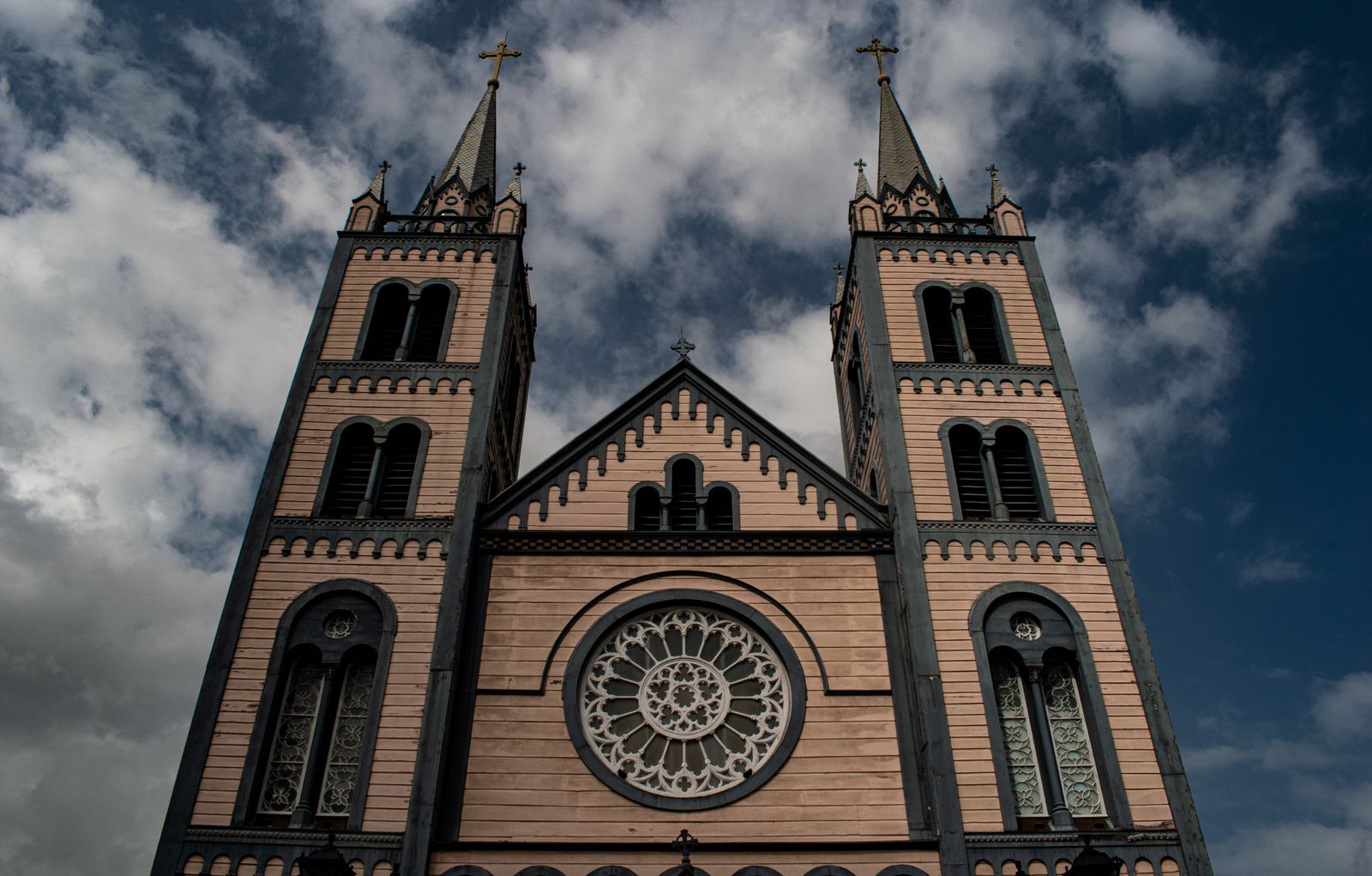
Suriname carries no malaria risk for standard travel. The World Health Organization certified the country malaria-free on June 30, 2025, making it the first country in the Amazon region to reach that status after a 70-year campaign that cut cases from over 15,000 in 2001 to zero. The health picture is not risk-free, though: Suriname logged its first locally acquired chikungunya outbreak since 2016 this past winter, with more than 700 suspected cases and one death. Our clinical team still recommends a yellow fever vaccine, hepatitis A and typhoid protection, and a real conversation about antimalarials only if your itinerary reaches the deep interior gold-mining region. Start your visit on Wandr before you fly.
Suriname Travel Health Guide: The First Malaria-Free Country in the Amazon, a New Chikungunya Outbreak, and No Altitude to Worry About
Suriname carries no malaria risk for standard travel. The World Health Organization certified the country malaria-free on June 30, 2025, making it the first country in the Amazon region to reach that status after a 70-year campaign that cut cases from over 15,000 in 2001 to zero. The health picture is not risk-free, though: Suriname logged its first locally acquired chikungunya outbreak since 2016 this past winter, with more than 700 suspected cases and one death. Our clinical team still recommends a yellow fever vaccine, hepatitis A and typhoid protection, and a real conversation about antimalarials only if your itinerary reaches the deep interior gold-mining region. Start your visit on Wandr before you fly.
By Alec Freling, MD Last updated: September 25, 2026
Quick Facts: Suriname Health at a Glance
- Region: Northeastern South America, on the Atlantic coast between Guyana and French Guiana. Most US visitors land in the capital, Paramaribo, a UNESCO World Heritage inner city, then branch out to the Amazon interior for river lodges, Central Suriname Nature Reserve, and wildlife viewing.
- CDC/WHO Malaria Risk: None for standard itineraries. WHO certified Suriname malaria-free on June 30, 2025. A genuine, narrow exception exists for travelers heading deep into the interior gold-mining region near the Brazil, French Guiana, and Guyana borders.
- Key Health Risks: A new 2025-2026 chikungunya outbreak, ongoing dengue and Zika transmission, mosquito- and water-borne illness generally, and the traveler's diarrhea risk common across the region.
- Recommended Vaccines: Yellow fever (recommended for travelers 9 months and older, required if arriving from a yellow-fever-endemic country), hepatitis A, typhoid, a routine tetanus booster, and rabies pre-exposure vaccination for extended or rural stays.
- Recommended Medications: Azithromycin or ciprofloxacin for traveler's diarrhea, meclizine or scopolamine for river-boat travel in the interior, hydroxyzine for long-haul flight anxiety and sleep, and clotrimazole-betamethasone for the tropical, humid climate.
- US State Department Advisory: Level 1, Exercise Normal Precautions, confirmed in an August 2026 update. Suriname is one of the lower-risk countries in this destination series from a security standpoint.
- Travel Insurance Recommended: Yes. Paramaribo has reasonable private medical care, but the interior has minimal facilities, and a river-lodge or gold-mining-region itinerary is exactly the kind of trip that benefits from evacuation coverage.
Overview
Suriname is one of the least-visited countries in South America, and that is starting to change. The country's dense, largely untouched rainforest, its Dutch-Caribbean-Amazonian cultural mix in Paramaribo, and its position as a genuine off-the-beaten-path answer to the more crowded parts of the Amazon basin are drawing a small but growing wave of US eco-tourists and birders. Most visitors split their trip between Paramaribo's colonial waterfront and a multi-day stay at an interior river lodge inside or near Central Suriname Nature Reserve.
The health story here is unusually good news, with one real asterisk. Suriname just became the first country in the entire Amazon region to be certified malaria-free by the World Health Organization, a genuine public health achievement worth understanding before you assume it means "nothing to prepare for." At the same time, the country is in the middle of its first locally acquired chikungunya outbreak since 2016, dengue and Zika circulate the way they do across the wider Caribbean and Amazon basin, and yellow fever vaccination rules still apply depending on your itinerary. None of this should discourage a well-prepared traveler. It does mean Suriname deserves a specific pre-trip checklist rather than a generic "malaria-free, you're fine" assumption.
Malaria: A Genuine Elimination Success, With One Honest Exception
You do not need antimalarial medication for a standard Paramaribo-and-interior-lodge itinerary. The World Health Organization certified Suriname malaria-free on June 30, 2025, the first country in the Amazon region to achieve that designation. The scale of the achievement is worth stating plainly: Suriname logged more than 15,000 malaria cases at its peak in 2001, the highest transmission burden in the Americas at that time, and brought that number to zero through a nearly 70-year campaign that combined indoor DDT spraying in the 1950s and 1960s, decentralized community health worker networks reaching the interior starting in 1974, and, from 2005 onward, expanded rapid diagnostic testing, artemisinin-based treatment, insecticide-treated nets, and a dedicated network of malaria service deliverers embedded in mining communities regardless of legal residency status. The last confirmed Plasmodium falciparum case was in 2018, and the last Plasmodium vivax case was in 2021.
Here is the asterisk almost no general travel guide mentions. A 2026 peer-reviewed analysis in Malaria Journal documents that Suriname remains genuinely vulnerable to malaria reintroduction, with over 90% of the roughly 60 imported cases the country diagnosed annually in the years before certification tracing back to neighboring countries. The driver is cross-border artisanal small-scale gold mining: an estimated 20,000 mobile migrant workers move through Suriname's interior mining camps and travel frequently across porous borders with Brazil, French Guiana, and Guyana, sometimes entering coastal Suriname without symptoms before heading inland and delaying diagnosis. The same analysis found that in 2025, 20% of microscopically confirmed P. vivax cases in Suriname tested negative on rapid diagnostic tests, and 44% of imported cases represented relapses rather than new infections, both signs of how easily imported malaria can be missed without a high index of suspicion.
"For the vast majority of US travelers, this is genuinely good news and nothing more, Paramaribo and the established eco-lodges inside Central Suriname Nature Reserve carry no malaria risk," says Alec Freling, MD, emergency medicine physician and co-founder of Wandr Health. "The conversation changes if your itinerary goes deep into the gold-mining interior near the Brazilian, French Guianese, or Guyanese border, places most tourists never see. That is a genuinely different risk profile, and it's worth a real conversation with our clinical team before that specific kind of trip, not a blanket prescription and not a blanket dismissal." If your interior itinerary includes extended time in or near active mining regions, our providers can discuss Malarone (atovaquone-proguanil) as part of your Wandr visit.
Chikungunya: A New Outbreak After Nearly a Decade
Suriname's mosquito-borne disease picture changed meaningfully this past winter. The country documented its first locally acquired chikungunya case since 2016 in the week ending December 20, 2025, according to data reported by the Pan American Health Organization. By the time the outbreak was tracked in a February 2026 report, Suriname had logged 712 suspected cases and 327 laboratory-confirmed cases, with one death: a 72-year-old man with underlying health conditions who died on January 26, 2026. Twelve patients required hospitalization.
The outbreak concentrated in Paramaribo, which reported 127 confirmed cases including the fatality, with smaller clusters in Nickerie (15 cases), Wanica (7 cases), and Commewijne (1 case). Genetic sequencing linked the Suriname cases to strains circulating in Cuba and Brazil, and neighboring French Guiana and Guyana saw their own chikungunya resurgence over the same period, a reminder that mosquito-borne viruses move regionally, not just within one country's borders.
Chikungunya has no Wandr-offered treatment or vaccine, so the practical response is prevention and symptom management, not a prescription. Use an EPA-registered repellent (DEET, picaridin, or IR3535) during daytime hours, since the Aedes mosquitoes that spread chikungunya bite most actively from dawn through dusk, wear long sleeves and pants in mosquito-dense areas, and stay in accommodations with screens or air conditioning. Chikungunya causes fever and often severe, sometimes prolonged joint pain; if you develop these symptoms during or after a Suriname trip, seek medical evaluation, since dengue can look similar early on and the two require different monitoring. Read more at Chikungunya: A Traveler's Guide.
Dengue and Zika: The Everyday Mosquito-Borne Risk
Beyond the current chikungunya outbreak, Suriname carries the same baseline dengue and Zika risk as most of the wider Caribbean and Amazon basin, transmitted by the same daytime-biting Aedes mosquitoes. Dengue in particular has surged across the Americas region in recent years, and Suriname's tropical, humid climate and standing water in both urban Paramaribo and interior settlements support year-round mosquito breeding. There is no vaccine Wandr offers for dengue or Zika, so bite prevention, the same repellent, clothing, and screened-accommodation measures used for chikungunya, is the primary defense.
One clinical note worth knowing before you travel: if you develop fever and suspect dengue, our clinical team recommends acetaminophen rather than ibuprofen or other NSAIDs for fever and pain control, since NSAIDs can worsen the bleeding risk associated with more severe dengue presentations. This is a genuine caution, not a sales point, since ibuprofen is one of Wandr's own catalog medications and still the right choice for most other travel aches and pains. Read the full picture at Dengue Fever in Travelers: Prevention, Symptoms & Treatment.
Yellow Fever: What the Vaccine Rules Actually Require
Yellow fever vaccination is recommended for travelers ages 9 months and older visiting Suriname, and a vaccination certificate is required if you are arriving from a country with risk of yellow fever transmission, a common requirement across South American and sub-Saharan African destinations. The good news for planning purposes: a single yellow fever vaccine dose provides lifelong protection, and the resulting International Certificate of Vaccination is valid for the rest of the vaccinated person's life, so this is a one-time appointment, not a recurring one.
Because Suriname's interior sits inside the broader Amazon basin yellow fever transmission zone, our clinical team recommends the vaccine even for travelers not arriving from an endemic country, particularly for any itinerary that includes river-lodge stays or interior excursions rather than a Paramaribo-only trip. Read more at Yellow Fever Vaccine for Travelers. Book your vaccine appointment through Wandr before you fly.
Typhoid, Hepatitis A, and Hepatitis B
Hepatitis A vaccination is recommended for all unvaccinated travelers to Suriname, reflecting the contaminated food and water risk found across the region, and typhoid vaccination is recommended for most travelers, particularly anyone visiting areas with limited sanitation infrastructure outside Paramaribo's main tourist zone. Both are single-appointment vaccines that our partner pharmacies can administer well before departure. Read more at Hepatitis A Vaccine for Travelers.
Hepatitis B vaccination is worth considering for travelers anticipating medical care, tattoos, piercings, or other exposures involving blood or bodily fluids while in Suriname, and it is a standard part of the US childhood immunization schedule for anyone born after 1991, so many younger travelers are already covered. Schedule your vaccine appointments through Wandr before you fly.
Rabies and Schistosomiasis
Rabies pre-exposure vaccination is worth a real conversation with our clinical team if your trip involves extended stays, rural interior travel, or activities that put you in regular contact with dogs or wildlife. Suriname's dog population carries the same baseline rabies risk seen across much of South America, and any bite or scratch from a dog, cat, or wild animal warrants an immediate 15-minute wound wash with soap and running water followed by same-day medical evaluation, regardless of whether the animal appeared healthy. Read the full picture at Rabies Vaccine: A Traveler's Guide.
Schistosomiasis, a parasitic infection acquired through skin contact with contaminated freshwater, is a documented risk in parts of Suriname's interior. Avoid swimming, wading, or bathing in slow-moving or stagnant freshwater streams, ponds, and irrigation channels away from established, tourist-vetted swimming areas, and stick to swimming pools, the ocean, or fast-flowing rivers your lodge specifically identifies as safe.
Altitude: The One Risk You Can Cross Off the List
Here is a genuinely reassuring contrast to some of the higher-altitude destinations in this series. Suriname's highest point, Julianatop, reaches just 1,280 meters (4,199 feet), and the vast majority of the country, including Paramaribo and every standard interior eco-lodge itinerary, sits at or near sea level. There is no meaningful altitude sickness risk anywhere in Suriname for a typical traveler, and acetazolamide has no role to play in a Suriname packing list. If your broader South American itinerary continues on to the Andes, our clinical team can discuss altitude preparation for that leg separately, but Suriname itself is one destination where you can leave that particular worry behind.
Food and Water Safety
Tap water in Suriname, including in Paramaribo, is not reliably safe for travelers to drink without treatment. Stick to bottled or properly filtered water throughout your trip, avoid ice unless you know it was made from purified water, and be selective with raw produce washed in tap water, especially outside established tourist restaurants. Interior river lodges typically provide treated or bottled water for guests, but it is worth confirming on arrival rather than assuming.
Paramaribo's food scene blends Creole, Javanese, Hindustani, and Chinese influences, most of it served hot and freshly prepared, which works in your favor. As with most destinations in this series, ordinary traveler's diarrhea from inconsistent food handling and hygiene, not a single dramatic disease, remains the most common reason a visitor ends up needing a prescription mid-trip.
What to Pack: Practical Medications
- Traveler's diarrhea: Azithromycin is our first-line prescription antibiotic for traveler's diarrhea; ciprofloxacin is a reasonable alternative when azithromycin is not appropriate. An antispasmodic like dicyclomine can help with the cramping that often comes with it.
- River and motion sickness: Meclizine or a scopolamine patch are worth having on hand for river-boat transfers to interior lodges, a common part of most Suriname itineraries.
- General nausea: Ondansetron covers nausea from heat, travel, or general illness beyond motion sickness specifically.
- Sleep and anxiety: Hydroxyzine can help with travel anxiety or disrupted sleep on the long flights most US travelers need to reach Suriname.
- Skin and fungal irritation: Clotrimazole-betamethasone addresses the heat rash and fungal skin irritation that a hot, humid rainforest climate can bring on, particularly on multi-day interior trips without reliable air conditioning.
- Pain and fever: Ibuprofen for everyday aches, with the dengue-specific caution above in mind if you develop an unexplained fever.
Our providers review your health profile and itinerary before prescribing, so a Paramaribo weekend and a two-week interior expedition get genuinely different recommendations rather than the same generic kit.
Vaccines: What to Get Before You Go
- Yellow fever: Recommended for ages 9 months and older; required if arriving from a yellow-fever-endemic country. One dose, lifelong protection.
- Hepatitis A: Recommended for all unvaccinated travelers given regional food and water contamination risk.
- Typhoid: Recommended for most travelers, especially those visiting areas with limited sanitation.
- Rabies pre-exposure vaccine: Worth discussing with our clinical team for extended stays, rural interior travel, or regular animal contact.
- Routine tetanus booster: Confirm your status is current, particularly with any interior hiking or river activity on your itinerary.
Vaccines on Wandr work differently from prescriptions: you pick a partner pharmacy location and time, we book the appointment, and the pharmacist administers your travel vaccines on-site. Schedule your vaccine appointments through Wandr before you fly.
Travel Advisory and Practical Safety
The US State Department rates Suriname Level 1, Exercise Normal Precautions, its lowest advisory tier, in an advisory last updated August 6, 2026 that describes Suriname as "generally a safe destination for travelers." This advisory is separate from, and unrelated to, the malaria, chikungunya, dengue, or yellow fever information in this guide, each of which is tracked and updated independently by different health authorities. As with any international trip, standard urban-travel precautions apply in Paramaribo, and interior travel is best arranged through an established tour operator or lodge given the remoteness and limited infrastructure.
Health and Safety Tips
- Use an EPA-registered mosquito repellent during daytime hours throughout your trip, not just at dawn and dusk, given active chikungunya, dengue, and Zika transmission.
- Confirm your yellow fever vaccination status before any itinerary that includes interior river-lodge stays.
- Avoid swimming or wading in stagnant or slow-moving freshwater outside areas your lodge specifically identifies as safe, due to schistosomiasis risk.
- Stick to bottled or properly filtered water and be selective with ice and raw produce.
- Seek immediate medical evaluation for any dog, cat, or wildlife bite or scratch.
- If your itinerary reaches the deep interior gold-mining region near the Brazilian, French Guianese, or Guyanese border, discuss antimalarial medication with our clinical team beforehand.
- Carry a copy of your prescriptions and keep medications in their original, labeled packaging.
FAQ
Is Suriname malaria-free? Yes, for standard travel. The World Health Organization certified Suriname malaria-free on June 30, 2025, the first country in the Amazon region to reach that status, after cutting cases from more than 15,000 in 2001 to zero. A narrow exception applies to travelers heading deep into the interior gold-mining region near the Brazilian, French Guianese, or Guyanese border, where imported malaria cases still occur.
Do I need a yellow fever vaccine for Suriname? It is recommended for travelers ages 9 months and older, and required if you are arriving from a country with yellow fever transmission risk. Since Suriname's interior sits within the broader Amazon basin transmission zone, our clinical team recommends it for any itinerary beyond a Paramaribo-only visit.
What is the chikungunya situation in Suriname right now? Suriname logged its first locally acquired chikungunya case since 2016 in December 2025, and by February 2026 the outbreak had reached 712 suspected cases, 327 confirmed, and one death, concentrated mostly in Paramaribo, according to data reported through the Pan American Health Organization. There is no vaccine Wandr offers for chikungunya, so mosquito bite prevention is the main defense.
Do I need malaria pills for Suriname? Not for a standard Paramaribo or interior-lodge itinerary. Suriname is WHO-certified malaria-free. If your trip includes extended time in the interior gold-mining region specifically, our clinical team can discuss Malarone as a precaution given the documented risk of imported cases in that specific area.
Is the tap water safe to drink in Suriname? No, not reliably, including in Paramaribo. Stick to bottled or properly filtered water throughout your trip, and be cautious with ice and raw produce outside established tourist restaurants.
Is there an altitude sickness risk in Suriname? No. Suriname's highest point, Julianatop, reaches only 1,280 meters (4,199 feet), and nearly the entire country sits at or near sea level. Acetazolamide is not needed for a Suriname trip.
Why is Suriname's US travel advisory Level 1? The US State Department rates Suriname Level 1, Exercise Normal Precautions, its lowest advisory tier, in an advisory last updated August 6, 2026, describing it as generally a safe destination. This rating covers security conditions and is separate from the health risks covered in this guide.
Do I need travel insurance for Suriname? We recommend it, especially for any interior river-lodge or gold-mining-region itinerary. Paramaribo has reasonable private medical care, but interior facilities are minimal, and a chikungunya-related hospitalization or an evacuation from a remote lodge can both turn into significant unplanned costs.
The Bottom Line
Suriname just achieved something genuinely rare: WHO certification as the first malaria-free country in the entire Amazon region, the product of a nearly 70-year public health campaign. That headline is well earned, but it is not the whole health picture. A new chikungunya outbreak, ongoing dengue and Zika risk, yellow fever vaccine requirements tied to your specific itinerary, and a real, narrow malaria exception for deep-interior gold-mining travel all deserve a place in your pre-trip planning. None of it calls for an elaborate medical kit, but it does call for a yellow fever vaccine, hepatitis A and typhoid protection, solid mosquito bite prevention, and an honest conversation about your specific itinerary. Our providers can build the right prevention plan for your trip. Start your visit on Wandr, or explore our full travel medication lineup and vaccine booking before you fly.
For more on the risks at the center of this guide, see our chikungunya guide, dengue fever guide, yellow fever vaccine guide, and rabies vaccine guide. Planning a wider trip through the Guiana Shield? Read our guide to Guyana.
This article is for general educational purposes and is not a substitute for personalized medical advice. Medication and vaccine recommendations depend on your individual health history, itinerary, and length of stay. This guide does not provide visa or immigration determinations; confirm current entry and border requirements with the Embassy of Suriname or the US Department of State before you travel. Get travel insurance with medical evacuation coverage before departure.
Sources
- World Health Organization. Suriname certified malaria-free by WHO (June 30, 2025). https://who.int/news/item/30-06-2025-suriname-certified-malaria-free-by-who
- Beyond elimination: addressing challenges in maintaining the malaria elimination status in Suriname. Malaria Journal (2026), Springer Nature. https://link.springer.com/article/10.1186/s12936-026-06004-w
- Outbreak News Today, citing Pan American Health Organization data. Suriname chikungunya update (February 11, 2026). https://outbreaknewstoday.substack.com/p/suriname-chikungunya-update
- TravelHealthPro / NaTHNaC. Suriname country page: vaccine recommendations, malaria status, and health risks. https://travelhealthpro.org.uk/country/213/suriname
- US Department of State. Suriname Travel Advisory (updated August 6, 2026). https://travel.state.gov/en/international-travel/travel-advisories/suriname.html
- Wikipedia (citing geographic survey data). Julianatop elevation. https://en.wikipedia.org/wiki/Julianatop
Alec Freling, MD is a board-certified emergency medicine physician and co-founder of Wandr Health with ER experience treating returning travelers.