
Turkmenistan Travel Health Guide: Malaria-Free, a New E-Visa, and the 'Gate to Hell' That's Finally Dying Down
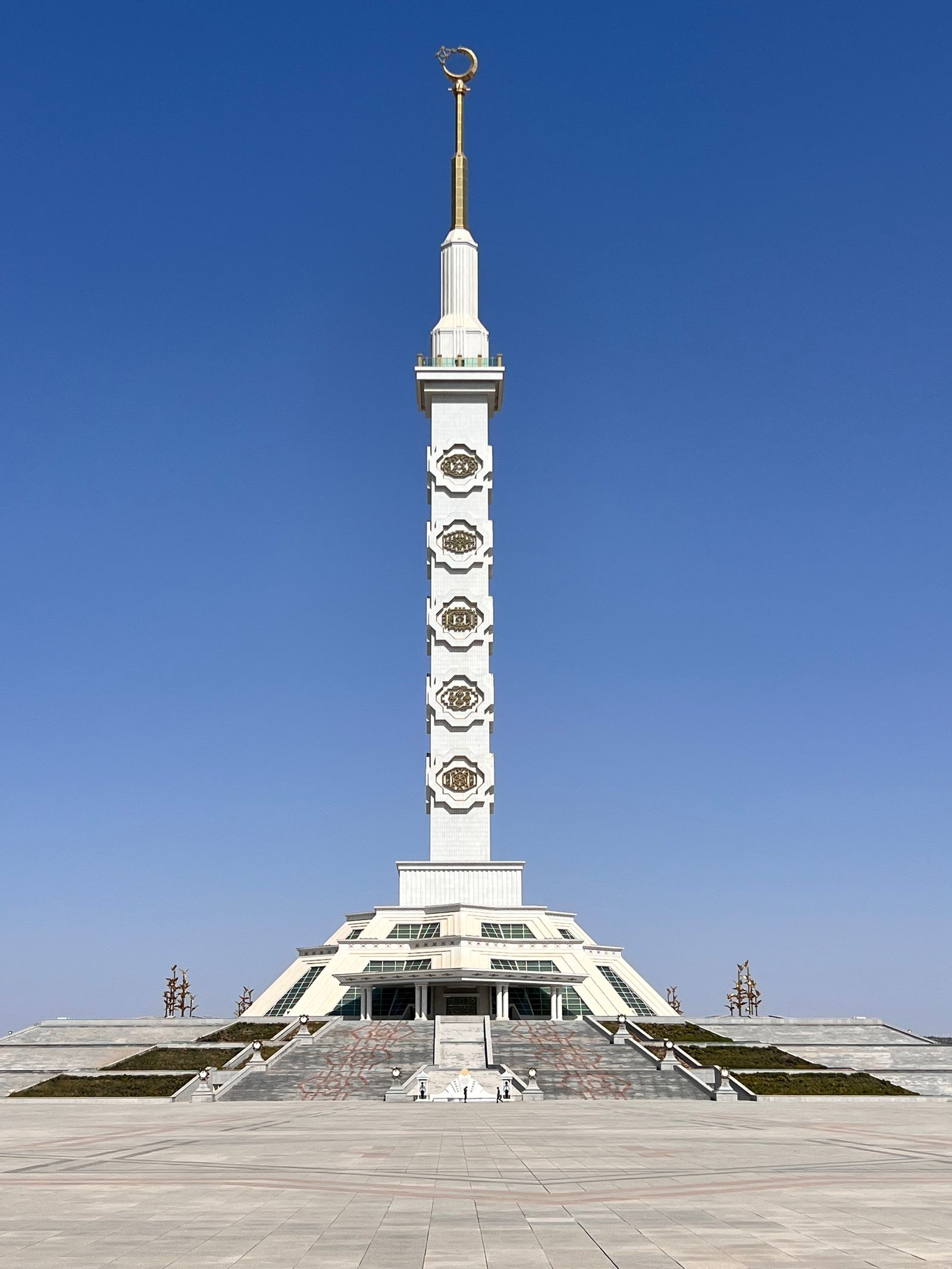
Turkmenistan has been malaria-free since WHO certified the country in 2010, and in September 2026 it carries the US State Department's lowest travel advisory tier, Level 1: Exercise Normal Precautions. That rating reflects a country only recently opening up: Turkmenistan launched its first e-visa system in April 2025, letting US travelers apply online instead of securing a letter of invitation, and its 50-year-old 'Gate to Hell' gas crater fire has been reduced roughly threefold since engineers began diverting the leaking gas in 2025. What has not changed is the health picture. Medical care outside the capital is extremely limited, the Karakum Desert has recorded temperatures above 50 degrees Celsius (122 degrees Fahrenheit), and a 2025 systematic review found essentially no published rabies surveillance data for the country at all. In our clinical experience, that mix of remoteness and thin healthcare infrastructure is exactly why pre-trip preparation matters more here than the safety rating alone suggests. Start your visit on Wandr before you fly.
Turkmenistan Travel Health Guide: Malaria-Free, a New E-Visa, and the 'Gate to Hell' That's Finally Dying Down
Turkmenistan has been malaria-free since WHO certified the country in 2010, and in September 2026 it carries the US State Department's lowest travel advisory tier, Level 1: Exercise Normal Precautions. That rating reflects a country only recently opening up: Turkmenistan launched its first e-visa system in April 2025, letting US travelers apply online instead of securing a letter of invitation, and its 50-year-old "Gate to Hell" gas crater fire has been reduced roughly threefold since engineers began diverting the leaking gas in 2025. What has not changed is the health picture. Medical care outside the capital is extremely limited, the Karakum Desert has recorded temperatures above 50 degrees Celsius (122 degrees Fahrenheit), and a 2025 systematic review found essentially no published rabies surveillance data for the country at all. In our clinical experience, that mix of remoteness and thin healthcare infrastructure is exactly why pre-trip preparation matters more here than the safety rating alone suggests. Start your visit on Wandr before you fly.
By Alec Freling, MD Last updated: September 22, 2026
Quick Facts: Turkmenistan Health at a Glance
- Region: Central Asia, bordered by the Caspian Sea, Kazakhstan, Uzbekistan, Afghanistan, and Iran. Roughly 80% of the country is the Karakum Desert. Major draws: the marble capital Ashgabat, the Darvaza gas crater, the ancient Silk Road ruins of Merv, and the Caspian coast at Avaza.
- CDC/WHO Malaria Risk: None. Turkmenistan was certified malaria-free by WHO in 2010, one of the earliest countries in the region to reach elimination.
- Key Health Risks: Extreme desert heat, very limited medical infrastructure outside Ashgabat, food and waterborne illness, and regionally endemic tick and sandfly-borne diseases (Crimean-Congo hemorrhagic fever and leishmaniasis).
- Recommended Vaccines: Hepatitis A for essentially all travelers, typhoid, a routine tetanus booster if more than 10 years since the last dose, hepatitis B for longer stays or higher-risk activity, and rabies pre-exposure vaccination for extended rural travel.
- Recommended Medications: A prescription antibiotic for traveler's diarrhea, something for nausea and heat-related illness, and something for long-haul flight anxiety or sleep, since most US itineraries route through at least one connection to reach Ashgabat.
- US State Department Advisory: Level 1, Exercise Normal Precautions, last updated August 21, 2026, the safest tier the advisory system has. The advisory still flags limited healthcare access outside the capital and Turkmenistan's location in a seismically active zone.
- Travel Insurance Recommended: Strongly. Medical services for routine and emergency care are limited even in Ashgabat and genuinely thin outside it, and a serious injury or illness in the Karakum Desert or a rural region can require evacuation.
Overview: The World's Most Closed Country Is Cracking Its Door Open
Turkmenistan has spent three decades as one of the hardest countries on earth for an American to visit, requiring a letter of invitation, a government-approved guide for most of a trip, and a visa process few independent travelers bothered attempting. That changed in April 2025, when the government introduced its first e-visa system, letting foreign visitors apply online without the invitation letter that used to be the main barrier to entry. The push is part of a broader tourism opening the country has branded around 2026, alongside neighbors Kazakhstan, Kyrgyzstan, Tajikistan, and Uzbekistan, all of which already run their own e-visa programs.
The numbers are still small by regional standards. Before the e-visa system launched, the Avaza National Tourist Zone on the Caspian coast, Turkmenistan's main beach resort area, was drawing roughly 150,000 visitors a year, a fraction of what neighboring Uzbekistan or Kazakhstan pull in. That is part of the appeal for travelers who want the Silk Road without the crowds: the ancient ruins of Merv, once one of the largest cities on earth, see a trickle of visitors compared to Samarkand or Bukhara, and Ashgabat's surreal skyline of white marble buildings, government-mandated since the 1990s, is still enough of a curiosity that it holds a Guinness World Record for the highest concentration of white marble buildings anywhere.
The single most famous attraction is the Darvaza gas crater, nicknamed the "Gate to Hell," a roughly 70-meter natural gas crater that has been burning continuously since a Soviet drilling accident ruptured a gas deposit sometime in the 1960s or 1970s. After decades of failed attempts, Turkmenistan's state gas company began reopening nearby mothballed wells in 2025 to divert the gas flow away from the crater, and a Turkmengaz researcher reported the visible flames had dropped by nearly threefold as a result. State media announced a further technical plan in late December 2025 aimed at eliminating the uncontrolled gas emissions entirely. Visitors who go now are, by most accounts, seeing a genuinely different, quieter crater than the roaring pit that made the site famous, which is worth knowing if that is the draw for your trip.
Malaria: A Non-Issue, and Has Been for Over a Decade
You do not need antimalarial medication for a standard Turkmenistan itinerary. The World Health Organization's own official list of malaria-free certified countries and territories confirms Turkmenistan was certified malaria-free in 2010, one of the region's earlier elimination successes alongside Uzbekistan, Kyrgyzstan, Kazakhstan, Armenia, and Azerbaijan, all of which this series has already covered. If your trip continues on to a malaria-endemic country elsewhere, our clinical team can prescribe Malarone (atovaquone-proguanil) as part of your pre-trip visit, but Turkmenistan itself does not require it.
Extreme Heat: A Genuine, Underrated Risk
This is the health risk most Turkmenistan travel guides skip entirely, and it should not be an afterthought. The Karakum Desert, which covers roughly 80% of the country, recorded 50.1 degrees Celsius (122.2 degrees Fahrenheit) at the Repetek Biosphere Reserve on July 28, 1983, the hottest temperature ever documented in Turkmenistan and in the former Soviet Union, and hotter than any temperature ever recorded in Europe or South America. Summer travel (roughly May through September) routinely brings daytime highs well above 40 degrees Celsius (104 degrees Fahrenheit) in Ashgabat and the desert interior, and the multi-hour desert drive most visitors make to reach the Darvaza crater happens with essentially no shade and limited services along the way.
"Heat illness is one of the most preventable problems we see in returning travelers, and also one of the most underestimated before a trip," says Alec Freling, MD, emergency medicine physician and co-founder of Wandr Health. "A long desert excursion in Turkmenistan is not the setting to find out your hydration and sun protection plan does not work. Watch for the early signs, heavy sweating, muscle cramps, dizziness, and nausea, and treat them as your cue to stop, rest in shade, and rehydrate, not as something to push through."
Practical prevention matters as much as any medication: carry more water than you think you need on any desert excursion, wear loose, breathable, light-colored clothing and a wide-brimmed hat, avoid heavy exertion during the hottest midday hours, and know that alcohol and caffeine both work against hydration in extreme heat. Ibuprofen can help with the headache and muscle aches that often accompany heat exhaustion, and ondansetron is useful if nausea sets in on a long, hot drive.
Medical Care Is Genuinely Limited, and That Changes How You Should Prepare
This is the theme that runs through every other section of this guide. Consumer travel-health references consistently describe medical care in Turkmenistan as extremely limited, with shortages of basic supplies outside major facilities, and note that serious or complex cases typically require evacuation to a country with more developed care. The US State Department's own advisory, even at its safest Level 1 rating, specifically calls out limited healthcare options outside the capital as a factor families and travelers should plan around.
What that means practically: this is not a destination where you want to discover mid-trip that you are missing a prescription, or where you want to be improvising traveler's diarrhea or altitude, heat, or motion sickness treatment from an unfamiliar pharmacy in a small town. Our providers review your itinerary and health history before you fly and send prescriptions to a pharmacy you choose, so you are carrying what you actually need rather than hoping you can source it once you land.
Food and Water Safety
Tap water in Turkmenistan is not safe to drink untreated, including in Ashgabat. Stick to bottled or properly filtered water, avoid ice unless you know it was made from purified water, and be cautious with unpasteurized dairy, raw or undercooked meat and fish, and food that has been sitting at room temperature, particularly from street vendors. As in most of the destinations in this series, ordinary traveler's diarrhea from food and water, not a single dramatic disease, remains the most common reason a visitor to Turkmenistan ends up needing a prescription mid-trip.
Rabies and Regional Insect-Borne Diseases: Informational, Not Alarmist
Rabies is present in domestic animals in Turkmenistan, and pre-exposure vaccination is a reasonable conversation for long-stay travelers, those with high-risk animal contact, or anyone heading somewhere with limited access to post-exposure care. What is worth knowing honestly: a 2025 systematic review and meta-analysis of rabies data across Asia specifically flagged Turkmenistan, along with several neighboring countries, as having no significant published studies and no meaningful representation in WHO's own rabies reporting. That is not reassurance that risk is low; it is a genuine data gap in a country with limited public health transparency, and the practical response is the same one that applies everywhere rabies is endemic: avoid contact with stray dogs and other animals, and if you are bitten or scratched, wash the wound with soap and running water for a full 15 minutes and seek medical evaluation the same day, regardless of your vaccination status. Read the full picture in our rabies vaccine guide.
Crimean-Congo hemorrhagic fever and cutaneous leishmaniasis are both flagged as regional risks across Central Asia by UK travel health authorities, transmitted by tick bites and sandfly bites respectively. Neither has a Wandr-offered medication, and both stay strictly preventive: use an EPA-registered insect repellent, wear long sleeves and pants during outdoor activity in rural or agricultural areas, and check your skin daily if you spend meaningful time outside Ashgabat.
What to Pack: Practical Medications
- Traveler's diarrhea: Azithromycin is our first-line prescription antibiotic; ciprofloxacin is a reasonable alternative when azithromycin is not appropriate. An antispasmodic (dicyclomine) can help with cramping.
- Heat-related illness: Ibuprofen for the headache and body aches that come with heat exhaustion, and ondansetron for nausea after a long, hot desert excursion.
- Motion sickness: Worth considering if your itinerary includes the long, unpaved stretches of desert road to the Darvaza crater or Merv; meclizine or a scopolamine patch are both reasonable options depending on trip length.
- Sleep and anxiety: Hydroxyzine can help with travel anxiety or disrupted sleep on the long connecting flights most US travelers need to reach Ashgabat.
- Skin infections: Heat, sweat, and long days outdoors raise the odds of fungal skin irritation on a desert trip; clotrimazole-betamethasone cream treats it quickly if it comes up.
Our providers review your health profile and itinerary before prescribing, so you get a kit that fits your actual trip rather than a generic list.
Vaccines: What to Get Before You Go
- Hepatitis A: Recommended for essentially all previously unvaccinated travelers, per UK travel health authority guidance for Turkmenistan.
- Typhoid: Recommended, particularly given the food and water safety picture described above.
- Hepatitis B: Recommended for travelers at increased risk, given the country's intermediate-to-high prevalence.
- Routine tetanus-diphtheria booster: Confirm your status is current if it has been more than 10 years.
- Rabies pre-exposure vaccination: Worth a real conversation with our clinical team for extended stays, rural travel, or high-risk animal contact, given the healthcare access picture above.
Vaccines on Wandr work differently from prescriptions: you pick a partner pharmacy location and time, we book the appointment, and the pharmacist administers your travel vaccines on-site. Schedule your vaccine appointments through Wandr before you fly.
Travel Advisory and Practical Safety
The US State Department rates Turkmenistan at Level 1, Exercise Normal Precautions, its lowest and safest advisory tier, in an update last confirmed August 21, 2026. The advisory notes petty crime and theft in tourist areas, weak rule of law with a risk of arbitrary enforcement outside populated areas, Turkmenistan's location in a seismically active zone, and, again, limited healthcare access outside Ashgabat. Terrorism and kidnapping risk are both rated minimal. None of this should be confused with an active-conflict situation; it is closer to a "prepare well because help is far away" profile than a security warning, and it is a meaningfully different risk picture from some of this series' recent Level 2 and 3 destinations.
One practical, non-medical note worth flagging honestly: Turkmenistan's tourism system still often requires a government-registered guide for parts of an independent itinerary, and enforcement of local rules can be inconsistent outside Ashgabat and the main tourist sites. This guide covers health preparation only; confirm current visa, guide, and entry requirements directly with the Turkmenistan e-visa portal or the nearest Turkmenistan embassy before booking, since neither Wandr nor this article makes visa or immigration determinations.
Health and Safety Tips
- Carry more water than you think you need on any desert excursion, especially the Darvaza crater drive, and know the early signs of heat illness.
- Stick to bottled or filtered water throughout your trip, and be cautious with ice and unpasteurized dairy.
- Avoid contact with stray dogs and other animals; seek same-day medical evaluation for any bite or scratch.
- Use insect repellent and cover exposed skin during outdoor activity in rural or agricultural areas.
- Pack any prescription medications you might need before you go. Do not assume you can source a specific drug locally, especially outside Ashgabat.
- Carry your prescriptions in their original, labeled packaging along with a copy of the prescription itself.
- Confirm current visa, e-visa, and guide requirements directly with official Turkmenistan government sources before you travel.
FAQ
Do I need malaria pills for Turkmenistan? No. Turkmenistan was certified malaria-free by the World Health Organization in 2010 and has stayed off WHO's malaria-risk maps since. If your itinerary continues to a malaria-endemic country afterward, our clinical team can prescribe Malarone for that leg of the trip.
Is Turkmenistan safe to visit in 2026? The US State Department rates Turkmenistan at Level 1, Exercise Normal Precautions, its lowest and safest tier, in an advisory last updated August 21, 2026. The advisory still flags limited healthcare access outside Ashgabat, a seismically active setting, and inconsistent rule-of-law enforcement outside populated areas, so "safe" does not mean "no preparation needed."
Can Americans get a visa to Turkmenistan now? Turkmenistan introduced its first e-visa system in April 2025, allowing foreign visitors to apply online without the letter of invitation the country previously required. This guide covers health preparation only; confirm current visa and entry requirements directly with Turkmenistan's official e-visa portal or the nearest embassy before you book.
Is the Darvaza "Gate to Hell" crater still burning? Yes, but visibly less than it used to. Turkmenistan's state gas company began reopening nearby wells in 2025 to divert gas away from the crater, and reporting from 2025 and 2026 describes the flames as reduced roughly threefold from their historical intensity, with a further technical plan announced in December 2025 to eliminate the uncontrolled gas emissions.
How hot does it get in Turkmenistan? Very hot. The Karakum Desert, covering roughly 80% of the country, recorded 50.1 degrees Celsius (122.2 degrees Fahrenheit) in 1983, the hottest temperature ever recorded in Turkmenistan and the former Soviet Union. Summer daytime highs routinely exceed 40 degrees Celsius (104 degrees Fahrenheit), and desert excursions like the drive to the Darvaza crater offer little to no shade.
Is rabies a risk in Turkmenistan? Rabies is present in domestic animals, per UK travel health guidance, but a 2025 systematic review found essentially no published surveillance data for Turkmenistan specifically, a genuine transparency gap rather than reassurance. Avoid contact with stray animals, and treat any bite or scratch with an immediate 15-minute wound wash and same-day medical evaluation.
Is tap water safe to drink in Turkmenistan? No. Stick to bottled or properly filtered water throughout your trip, including in Ashgabat, and be cautious with ice, unpasteurized dairy, and street food.
Do I need travel insurance for Turkmenistan? Yes, strongly. Medical care is limited even in Ashgabat and genuinely thin outside it, per both consumer travel-health references and the State Department's own advisory. A heat-related illness, a traffic injury on a long desert drive, or any serious medical event can require evacuation, which travel insurance with medical evacuation coverage is built to handle.
The Bottom Line
Turkmenistan is not the closed country it was even two years ago. Its 2025 e-visa launch, its Level 1 safety rating, and its dying "Gate to Hell" crater all point toward a country actively working to welcome more visitors. None of that changes the underlying health picture: no malaria risk, genuine and underrated extreme-heat exposure across the Karakum Desert, food and water safety that needs real attention, and medical infrastructure that is thin outside Ashgabat and thinner still once you are in the desert. That combination calls for real preparation, not an elaborate medical kit, before you fly. Our providers can build the right prevention plan for your specific trip. Start your visit on Wandr, or explore our full travel medication lineup and vaccine booking before you fly.
Planning a wider Central Asian trip? Read our guides to Uzbekistan, Kyrgyzstan, and Kazakhstan. For more on traveler's diarrhea prevention, see Cipro vs Azithromycin for Traveler's Diarrhea and our full guide to food and water safety for travelers.
This article is for general educational purposes and is not a substitute for personalized medical advice. Medication and vaccine recommendations depend on your individual health history, itinerary, and length of stay. This guide does not provide visa or immigration determinations; confirm current entry, e-visa, and guide requirements with the Turkmenistan e-visa portal or the nearest Turkmenistan embassy before you travel. Get travel insurance with medical evacuation coverage before departure.
Sources
- World Health Organization. Countries and territories certified malaria-free by WHO (Turkmenistan, 2010). https://cdn.who.int/media/docs/default-source/malaria/elimination/countries-territories-certified-malaria-free-by-who.pdf
- Travel Advisory (aggregator of US State Department data). Turkmenistan travel advisory, Level 1, last updated August 21, 2026. https://www.traveladvisory.io/advisory/turkmenistan
- TravelHealthPro / NaTHNaC. Turkmenistan country information: vaccine recommendations, rabies, and regional disease risks. https://travelhealthpro.org.uk/country/228/turkmenistan
- Incidence and prevalence of rabies virus infections in tested humans and animals in Asia: a systematic review and meta-analysis. PMC (2025). https://pmc.ncbi.nlm.nih.gov/articles/PMC12175714/
- Radio Free Europe/Radio Liberty. Closing the 'Gates of Hell': Turkmenistan's fiery gas crater is being snuffed out. https://www.rferl.org/a/turkmenistan-gas-crater-extinguish-darvaza-fire/33637002.html
- Travel Tomorrow. Turkmenistan eyes tourism growth with TurkmenTravel 2026 and new e-visa policy. https://traveltomorrow.com/turkmenistan-eyes-tourism-growth-with-turkmentravel-2026-and-new-e-visa-policy/
- Wikipedia (citing Turkmen meteorological records). Repetek Biosphere State Reserve: highest recorded temperature. https://en.wikipedia.org/wiki/Repetek_Biosphere_State_Reserve
Alec Freling, MD is a board-certified emergency medicine physician and co-founder of Wandr Health with ER experience treating returning travelers.